New Launch - India Real Estate Report 2026.

Services
Knowledge Hub
Resources
Tools

Ask Pulse Ai
©PropTech Pulse 2025, All rights reserved.


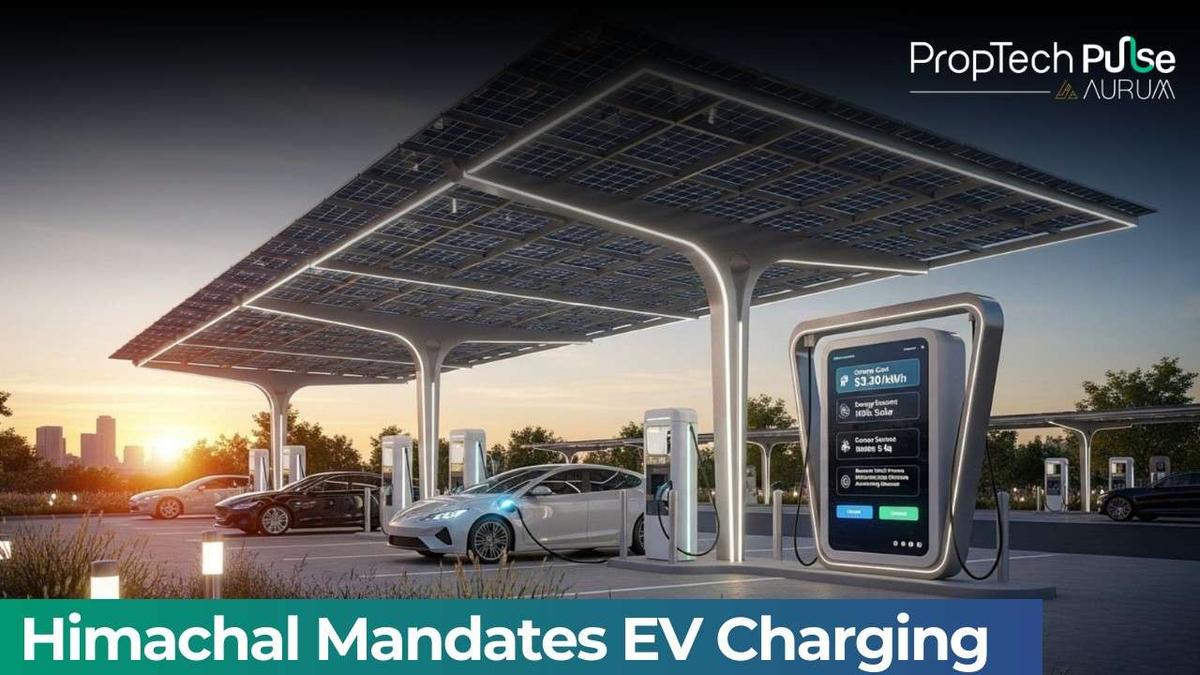
Mandatory EV Charging In New Projects
The Himachal Pradesh government has introduced a rule requiring electric vehicle charging points in real estate developments. The move aims to align the state’s housing sector with the broader transition toward electric mobility and sustainable urban infrastructure.
Policy Focus On Clean Mobility
As electric vehicles gain traction across India, states are gradually integrating EV infrastructure requirements into urban planning frameworks. By mandating charging points in residential and commercial projects, Himachal Pradesh is supporting future-ready urban infrastructure capable of accommodating growing EV adoption.
Impact On Real Estate Developers
Developers will now need to incorporate EV charging provisions during the planning and construction phases of new projects. This requirement may influence project design, parking layouts, and electrical infrastructure, reinforcing sustainability-driven building standards within the property sector.
Support For Electric Vehicle Adoption
Availability of convenient charging infrastructure remains one of the key factors influencing EV ownership decisions. Integrating charging facilities directly into housing developments supports practical adoption of electric mobility for residents and commercial users.
Infrastructure Planning Considerations
Real estate developers may need to coordinate with electricity distribution authorities to ensure adequate load capacity and safety compliance. Proper planning can help integrate energy efficient charging infrastructure without disrupting overall project design.
Environmental And Sustainability Goals
Encouraging EV infrastructure within real estate aligns with broader environmental objectives aimed at reducing carbon emissions and improving air quality. The regulation reflects policy-driven sustainability initiatives shaping urban development.
Implications For Housing Buyers
Homebuyers in future projects may benefit from built-in charging facilities that support EV ownership without requiring separate infrastructure installation. Such amenities are likely to become important residential value additions as EV adoption grows.
Conclusion
The Himachal Pradesh mandate linking EV charging infrastructure with real estate development represents a forward-looking regulatory step. By integrating mobility and housing planning, the policy supports long-term sustainable urban growth.
Enjoyed this update? Visit PropTech Pulse for more real estate news and market insights.