New Launch - India Real Estate Report 2026.










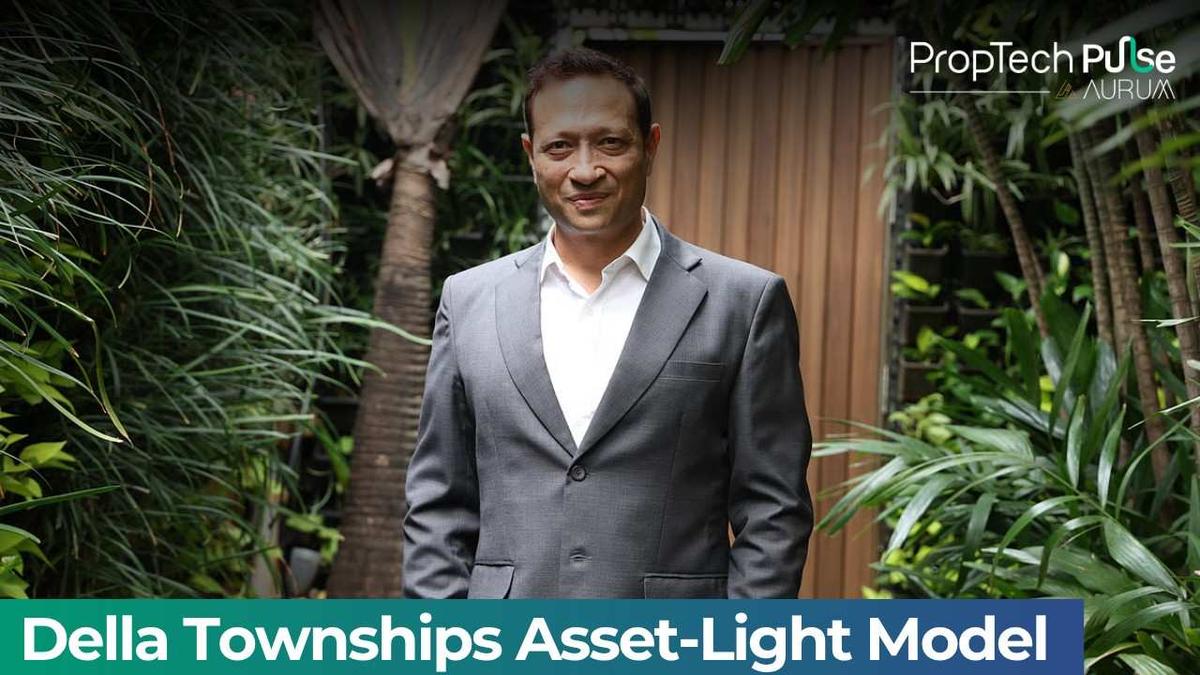
The traditional capital-intensive nature of real estate development is undergoing a fundamental transformation as Della Townships, led by entrepreneur Jimmy Mistry, introduces a disruptive asset-light model. Drawing parallels to the operational frameworks of global platforms like Uber and Airbnb, Mistry is positioning his firm to redefine the luxury second-home market by decoupling branded design and hospitality management from land ownership. This strategic shift aims to accelerate project delivery while maintaining high-end experiential standards across regional getaway destinations.
Industry analysts note that the asset-light approach allows developers to scale rapidly without the financial burden of land acquisition and holding costs. Under this model, Della Townships partners with landowners and local developers to provide "Della-branded" intellectual property, including proprietary design, construction management, and long-term hospitality services. This ensures that even remote land parcels can be transformed into high-yield luxury estates that command premium pricing due to the brand's established reputation in the resort sector.
Integrating Hospitality and Design for Yield Generation
A core component of this disruption is the integration of world-class hospitality into the residential value chain. Mistry emphasises that luxury homebuyers are no longer just looking for square footage but for a managed lifestyle experience. To address this demand, Della Townships incorporates specific service-led features into its projects:
- Professional maintenance and concierge services that ensure the property is in resort-ready condition for the owner at all times.
- Rental management programs that allow second-home owners to monetise their assets when not in use, effectively turning leisure property into a productive financial instrument.
- Curated social infrastructure, including high-end dining, wellness centres, and adventure parks, which are hallmarks of the Della brand.
The Shift Toward Branded Residences in Tier-2 Hubs
The success of this model is increasingly visible in the surging demand for branded residences in Tier-2 hubs near major metros like Mumbai and Pune. As urban buyers seek escape from metropolitan congestion, locations like Lonavala and Karjat have become focal points for this new real estate wave. Mistry indicates that the firm's goal is to bridge the gap between "standard housing" and "luxury resorts" by providing a hybrid product that offers the privacy of a home with the operational consistency of a five-star hotel.
Market tracking reports suggest that branded second homes currently command a premium of 20% to 30% over unbranded counterparts in the same micro-markets. By leveraging its design-centric philosophy, Della Townships aims to create a "design-to-delivery" ecosystem that reduces project gestation periods. As the Indian real estate market matures, the move toward asset-light, brand-heavy models is expected to become the preferred growth strategy for developers seeking to capture the evolving preferences of ultra-high-net-worth individuals through 2027 and beyond.
Enjoyed this update? Visit PropTech Pulse for more real estate news and market insights.