New Launch - India Real Estate Report 2026.











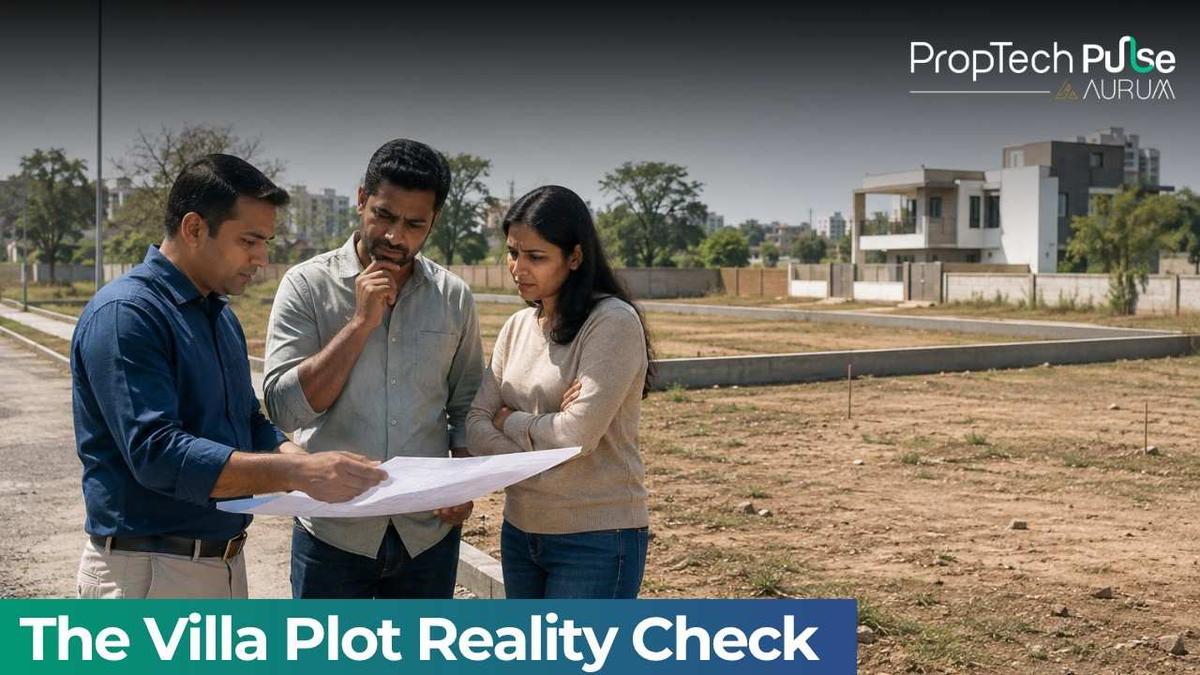
A villa plot looks simple on paper. Land, a boundary, a promise of open space and independence from shared-wall living. The simplicity is deceptive. Plotted developments and villa purchases carry a distinct set of risks that apartment buyers rarely encounter, and most of them surface only after the money has changed hands.
Title and land documentation come first, always
Clear title verification matters more for standalone plots than for apartments in an established project, because land parcels often carry a longer, messier ownership history, agricultural conversion records, inheritance disputes, or boundary discrepancies that never surface in a builder's marketing material. Buyers should independently verify the chain of title going back multiple transactions, not just the most recent sale deed, and confirm the land has been properly converted for residential use if it was previously agricultural.
Whether you can actually build matters more than you'd think
Not every plot sold as residential actually permits construction immediately. Some carry pending approvals, unresolved layout sanctions, or restrictions tied to zoning classifications that haven't been finalised. Before buying, confirm the plot has a sanctioned layout plan from the relevant development authority, and separately verify there are no restrictions, easement rights, or shared-access conditions attached to the specific plot that could limit what you're able to build later.
RERA registration and developer background
Where applicable, RERA registration discloses promoter details, approved layout plans, and any recorded complaints against the specific project. For villa and plotted developments specifically, checking the developer or landowner's track record on prior projects matters even more than it does for apartments, since plotted developments often depend on the developer actually delivering promised common infrastructure, roads, drainage, and electricity connections, on a timeline that isn't always contractually as binding as apartment possession dates.
The gap between promised and actual infrastructure
This is where villa and plot buyers get burned most often. Marketing materials routinely show a finished master plan with landscaped roads, clubhouses and mature infrastructure that may be years away from actual completion, or dependent on enough plots selling to fund the buildout. Visit the site in person, ideally more than once and at different times, and verify what infrastructure genuinely exists today versus what's promised for a future phase. Electricity and water availability deserve specific attention in peripheral or newly developing corridors, since municipal supply in these areas frequently lags well behind what a sales presentation implies.
The ongoing costs nobody mentions upfront
Villa and plotted communities often carry maintenance charges for common infrastructure, security, landscaping, and shared amenities that can run comparably to apartment maintenance despite the perception that standalone homes mean lower recurring costs. Ask for a clear breakdown of what maintenance actually covers and who's responsible for infrastructure that hasn't been handed over to a residents' association yet.
Exit and resale need honest consideration upfront
Villa plots and standalone homes generally have a narrower buyer pool than apartments in the same price bracket, which can mean longer holding periods when you eventually want to sell. Resale value depends heavily on whether the surrounding development actually matured as promised, roads got built, amenities got delivered, and neighbouring plots got occupied rather than sitting vacant for years. A half-developed villa community with scattered occupancy is a genuinely harder sell than a comparably priced apartment in a fully occupied building, even if the land itself holds value.
The pattern that separates good villa investments from bad ones
The buyers who end up satisfied with villa and plot purchases are almost always the ones who treated the master plan as a projection to verify, not a guarantee to trust. Confirming what's actually built, what's actually approved, and what the developer has actually delivered elsewhere protects against the single biggest risk in this category: paying today for infrastructure that may or may not arrive on the timeline, or at the standard, the brochure implied.
Enjoyed this update? Visit PropTech Pulse for more real estate news and market insights.


