New Launch - India Real Estate Report 2026.

Services
Knowledge Hub
Resources
Tools

Ask Pulse Ai
Services
FOR BUYERS & RENTERS
FOR REAL ESTATE DEVELOPERS








Refer other Connectors &
Multiply IncomeRefer other Connectors
& Multiply Income
Refer KuberX & earn
commission on every
loan they get
disbursed.


Scan & Download
©PropTech Pulse 2025, All rights reserved.


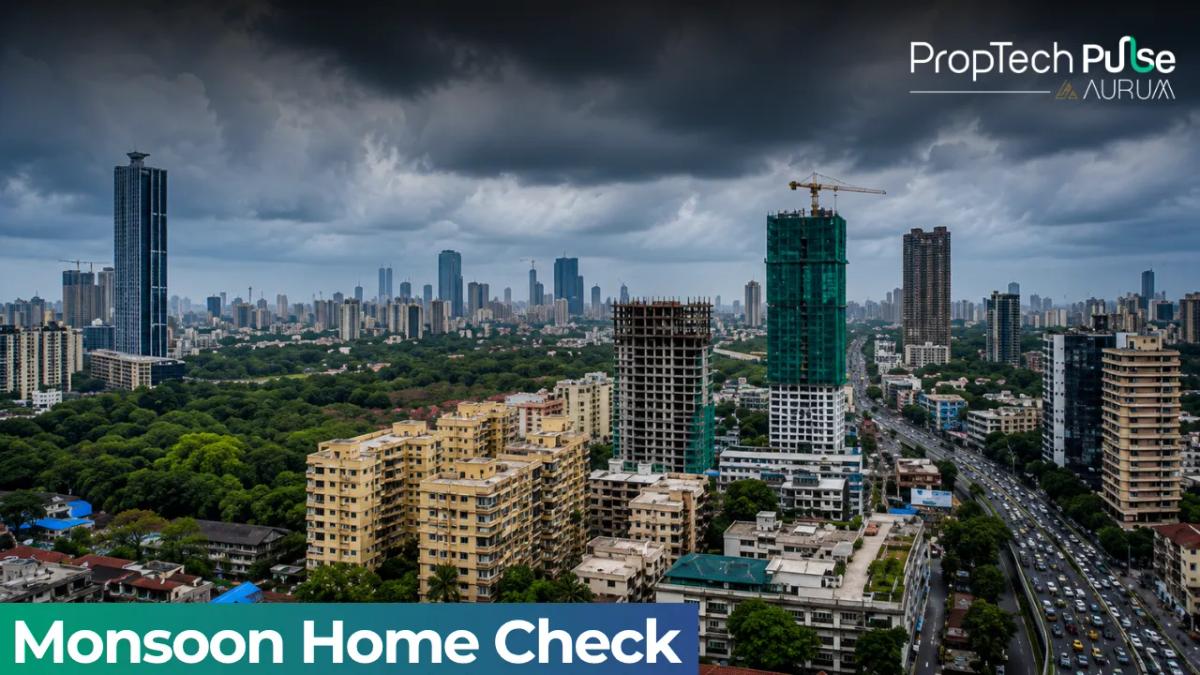
Buying a home in Mumbai is one of the biggest financial decisions for most buyers, especially when premium apartments can cost several crores. While buyers often evaluate factors such as location, amenities, connectivity and pricing, real estate experts say the monsoon season offers a unique opportunity to assess a property's real condition. Heavy rainfall can reveal structural and maintenance issues that may not be visible during dry weather, helping buyers make more informed investment decisions.
Mumbai experiences intense rainfall every year, and the current monsoon has already brought exceptionally heavy showers across the city, resulting in flooding, waterlogging and infrastructure disruptions in several areas. These weather conditions make it easier to evaluate how well a residential building withstands heavy rain and whether adequate maintenance has been carried out.
Check for Water Seepage and Leakage
One of the first things buyers should inspect is water seepage. Damp patches on walls, ceilings and corners may indicate poor waterproofing or construction defects. Water stains, peeling paint, mould growth and damp odours are warning signs that should not be ignored, as rectifying such issues after purchase can involve significant repair costs. Experts recommend visiting the property during or immediately after heavy rainfall to identify any fresh leakage.
Assess Drainage and Flooding Risks
The surrounding neighbourhood should also be examined for waterlogging. Buyers should observe whether access roads, parking areas, building entrances and basements accumulate water during heavy rain. Proper stormwater drainage is essential for ensuring safe access and protecting building infrastructure. Repeated flooding around a property may indicate inadequate drainage planning or poor civic infrastructure, factors that can affect long-term liveability.
Evaluate Building Maintenance
Monsoon conditions also provide valuable insight into the quality of maintenance carried out by the housing society or property management. Buyers should inspect terrace waterproofing, common corridors, lift lobbies, parking basements and external building walls for signs of deterioration. Water entering common areas, malfunctioning pumps or blocked drainage systems may point to deferred maintenance and higher future expenses for residents.
Inspect Ventilation and Natural Lighting
Continuous rainfall and cloudy weather can reveal whether a home receives sufficient natural light and ventilation. Apartments with poor airflow may retain moisture for longer periods, increasing the likelihood of mould, mildew and indoor humidity. Buyers should also check the condition of windows, balconies and door seals to ensure rainwater does not enter living spaces during storms.
- Inspect walls and ceilings for seepage or dampness.
- Check terraces, balconies and windows for water leakage.
- Observe drainage and waterlogging around the building.
- Inspect basements, parking areas and common spaces.
- Assess ventilation and natural lighting during rainy weather.
- Review the maintenance standards of the housing society.
Making an Informed Investment Decision
While monsoon visits may not always be convenient, they provide buyers with a realistic assessment of how a property performs under challenging weather conditions. Identifying issues such as leakage, drainage deficiencies or inadequate maintenance before completing a purchase can help avoid costly repairs and unexpected expenses later. For buyers investing in premium residential properties, inspecting a home during the rainy season offers an additional layer of due diligence that complements legal, financial and technical property checks, ultimately supporting a more confident purchasing decision.
Enjoyed this update? Visit PropTech Pulse for more real estate news, investment insights, and property market trends.


