

©PropTech Pulse 2025, All rights reserved.

What are the rules and regulations for Probate Sale of Property?
Probate Sale of Property is a fundamental concept in real estate that professionals, investors, buyers, and legal experts need to fully understand. It plays a critical role in property transactions, valuations, and compliance across various real estate sectors globally.
Definition and Core Principles
The core principles of Probate Sale of Property define how it is applied within property dealings, financial structures, and regulatory frameworks. Understanding these fundamentals is essential for all stakeholders involved:
- Legal framework:governed by applicable property and contract law
- Financial implications:directly impacts cash flow, valuation, and returns
- Contractual obligations:clearly defined duties for all parties involved
- Regulatory compliance:must adhere to local planning and property regulations
Key Requirements and Applications
Applying Probate Sale of Property correctly in a real estate context requires meeting several important requirements and following established procedures:
- Documentation:proper records, contracts, and title documents must be in order
- Professional advice:legal, financial, and technical experts should be consulted
- Due diligence:thorough verification and research is required before proceeding
- Timeline management:strict deadlines and notice periods must be observed
Benefits and Considerations
Understanding and correctly applying Probate Sale of Property delivers measurable benefits while also requiring careful consideration of associated risks:
- Risk mitigation:reduces exposure to legal disputes and financial losses
- Value protection:helps preserve and enhance property value over time
- Transaction efficiency:streamlines the property deal process for all parties
- Investment confidence:enables better-informed and more secure decision-making
Probate Sale of Property is a critical component of modern real estate practice. Whether you are a developer, investor, landlord, or first-time buyer, a thorough understanding of this concept will help you navigate property transactions more effectively, protect your interests, and maximize the value of your real estate portfolio.

Insight Pulse
Uncategorized
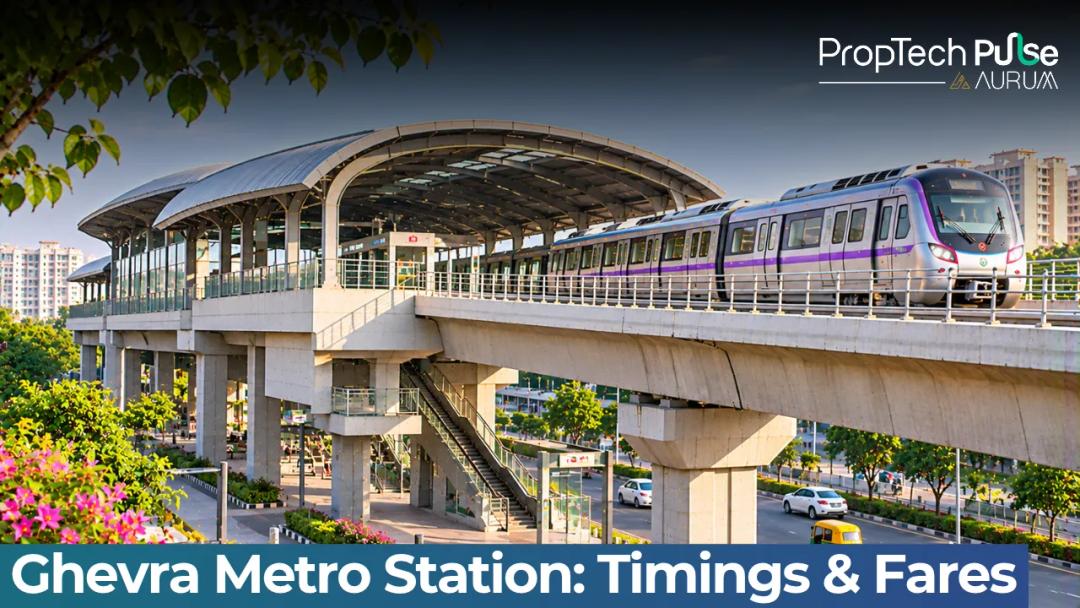
Ghevra Metro Station: Timings, Fares & Nearby Areas Guide
Living in Outer North Delhi means riding the Green Line daily. Knowing how Ghevra station works separates a smooth commute from a frantic dash. The station sits between industrial zones and residential pockets. Trains split at Ashok Park Main, so you must know platform directions, daily costs, and the lack of parking. This guide replaces listing fluff with actionable logistics. We use the latest Delhi Metro Rail Corporation data for 2026 to show you exactly what residents need to know. In this guide Quick Answer: Ghevra Metro Timings & Location Ghevra Metro Station Layout: Which Gate Goes Where? Ghevra Metro Fares and Ticket Slabs (2026) Daily Commute: Travelling from Ghevra to Rajiv Chowk and Beyond Public Transit Connections: Rail and Bus Linkups Living Near Ghevra Metro: Commuter Pros and Cons Final Decision Rule for Choosing Ghevra Frequently asked questions Quick Answer: Ghevra Metro Timings & Location Quick answer Ghevra metro station (code GHEM) lies on the Delhi Metro Green Line in Outer North Delhi. The first train leaves at 05:15 AM towards Inderlok, and the last train runs at 11:37 PM towards Brigadier Hoshiar Singh. Trains arrive every 6 minutes during peak hours and every 7 minutes 45 seconds off-peak. The station has zero on-site parking, meaning residents rely heavily on auto-rickshaws or bicycles. Type 'ghevra metro' into a search engine and you will find logistical data instead of builder advertisements. The station opened on 24 June 2018. Foot traffic stays heavy from nearby residential blocks and industrial workers. It connects directly to Rohtak-Bahadurgarh Road, the main artery feeding commuters back into central Delhi and further west to Dwarka. Ghevra Metro Station Layout: Which Gate Goes Where? Outer North Delhi terminals often confuse first-time riders because the platforms face opposite directions. Understanding the gate-to-concourse flow saves time and avoids waiting on the wrong track. Ghevra metro station has two street-level exits that funnel passengers up to the paid area, leading to platforms running north-south. Gate numbers on elevated stations correspond to road access points, but they simply guide users toward the same staircase clusters. Once inside, you choose your boarding point based on your final destination, not merely the gate you entered. Platform 1 Destination: Brigadier Hoshiar Singh Head to Platform 1 if your journey takes you westbound. This platform carries trains heading toward Brigadier Hoshiar Singh and eventually terminates at Dwarka Sector 21. For residents commuting toward HUDA City Centre or Rajiv Chowk, you do not take this train unless you plan to change lines further down the route. Platform 2 Destination: Inderlok or Kirti Nagar Platform 2 is the correct track for heading east toward the city centre and South Delhi. However, there is a specific operational quirk here that trips up many new riders. All trains leave Ghevra bound for either Inderlok or Kirti Nagar via Ashok Park Main, but they diverge once they cross that junction. Red Line connection: These trains switch tracks at Ashok Park Main to merge with the Red Line, taking you to Kashmere Gate, Chandni Chowk, and Old Delhi. Yellow Line branch: Trains following this route continue straight past Ashok Park Main toward Tis Hazari, Patel Chowk, and Hauz Khas. This branching pattern means you still board the same physical platform in Ghevra, but you must verify the final destination displayed on the coach before entering. If you miss the audio announcement, ask the station duty officer or look for the green directional signage near the ticket barriers. Ghevra Metro Fares and Ticket Slabs (2026) Delhi Metro calculates fares based on distance travelled, not zone-based entry. Since Ghevra sits far out on the line, your daily round trip to central hubs puts you in the mid-distance tariff bracket. Below is the standard Mon–Sat pricing structure applicable to smart card reloads and single-use tokens. Delhi Metro standard fare table representing outer north delhi commutes (mon-sat) Distance range Fare (₹) Up to 2 km 11 After 2 km to 8 km 13 After 8 km to 17 km 15 After 17 km to 23 km 17 After 23 km to 31 km 19 After 31 km to 40 km 22 Ghevra to Rajiv Chowk (one-way) 54 Sundays and gazetted holidays offer a flat twenty percent concession across all categories. That drops your Ghevra to Rajiv Chowk ticket from ₹54 down to ₹43. Students and senior citizens receive additional discounts tied to their registered ID cards. Casual weekly visitors rarely qualify unless they carry valid documentation. Always keep some change in your wallet or rely on a loaded smart card. The vending machines accept notes and coins, but technical jams at smaller stations frequently lead to queues during peak rush hours. Weekly commuter tip If you travel five days a week, pre-loading your smart card is cheaper and faster than buying paper tokens. A monthly pass does not exist for this route, so loading ₹500 or ₹1000 ahead of time eliminates queue friction entirely. Daily Commute: Travelling from Ghevra to Rajiv Chowk and Beyond For professionals working in Connaught Place or Civil Lines, Ghevra offers an affordable ticket price, but time is the real currency. The ride to Rajiv Chowk takes roughly fifty-five minutes during normal conditions. Crowding slows the doors at Kirti Nagar or Ashok Park Main, pushing the trip closer to an hour and ten minutes. A worked example for an office worker Rahul lives in Block C and works at a financial firm near Janpath. He uses the metro five days a week. His daily maths looks like this: Morning peak departure at 07:30 AM. Train arrives quickly thanks to the 6 minute 15 second frequency. He boards the Kirti Nagar-bound coach. Total travel time lands at 58 minutes. One-way fare is ₹54. Round-trip cost climbs to ₹108 daily. Over twenty-two working days, that equals ₹2,376 a month strictly on travel. If he chose a property closer to Rajiv Chowk to skip this commute, his rent would likely jump by ₹25,000. The trade-off is clear. You save significant rental money upfront while accepting longer transit hours. Most salaried buyers factor in a thirty-minute tolerance window. Rahul sits just past that threshold. The location works for budget-conscious earners who prioritise savings over speed. Dwarka Sector 21 at the other end of the Green Line sees slightly lower occupancy. Trains feel less cramped, and the journey to Ghevra matches almost identically in duration. Timing your departure just before the afternoon rush helps bypass the worst congestion. Public Transit Connections: Rail and Bus Linkups Local metro reviews often miss how easily you can transfer to Indian Railways and state buses. Ghevra metro station plugs directly into the broader transit grid without requiring a confusing street crossing. Walking Route to Ghevra Railway Station Exit the metro complex via Gate No. 2. You will step directly onto a wide pedestrian pathway that follows the railway reserve. Ghevra Railway Station on the New Delhi-Jind-Mbore branch sits approximately 1.5 kilometres away. It takes roughly twenty minutes on foot. Cut that time down by flagging down a local cycle auto. You can also walk half the distance and catch a feeder bus instead. The railway link matters mostly if you work in Old Delhi or are travelling outside the National Capital Region entirely. ISBT and Local Bus Routes Passing Rohtak-Bahadurgarh Road The Ghevra Mor intersection serves as a massive terminal for DTC and RSRTC buses. Routes connecting to ISBT Kashmiri Gate depart frequently throughout the day. If you live in Basant Enclave Ghevra or Block A Ghevra, just catch a bus here. You get direct rides to Shahdara and Seelampur without swiping a metro card. Commuters heading towards the western industrial belt catch buses bound for Bawana or Badkal Mor. Traffic on Rohtak Road stays chaotic. Locking in fixed monthly travel passes for these state transport vehicles protects your budget better than relying on surge-priced rideshares. Living Near Ghevra Metro: Commuter Pros and Cons Property investors scanning Outer North Delhi immediately clock the value proposition here. Rental yields in pockets like Block C Ghevra remain competitive, drawing students and early-career professionals who cannot afford central Delhi rents. The proximity to major manufacturing units and wholesale markets guarantees constant demand for rental housing. Landlords rarely experience vacancies exceeding a few days. The workforce moves fast and requires shelter close to employment hubs. Securing long-term lease contracts pays dividends regardless of macro market dips. Living next to a high-frequency terminal brings noise pollution. The roar of diesel buses merging onto Rohtak Road and the constant arrival announcements limit open-window living on ground floors. Second-storey rentals command a premium for exactly this reason. Air quality during winter months also deteriorates rapidly due to vehicular density in the surrounding colonies. Parking is a major headache. Since DMRC provides no dedicated slots, car owners rely on nearby commercial lots or private societies. Keep some cash handy for autos during heavy rain or shift changes. Final Decision Rule for Choosing Ghevra Choose a home near Ghevra metro station if your priority fits within three boundaries. You must earn a modest middle-class salary that benefits heavily from cheaper rents. Reliable connectivity to West Delhi or Central Delhi workplaces is non-negotiable, accepting a fifty-five minute commute as the cost of entry. You must also be willing to skip owning a personal vehicle in favour of public transport efficiency. If your daily routine involves frequent meetings in South Delhi or Gurugram beyond Huda City Centre, this corner of the map will eat into your working hours too aggressively. Frequently asked questions What is the timing of Ghevra metro station? The first train leaves Ghevra at 05:15 AM heading towards Inderlok, while the last scheduled service departs at 11:37 PM towards Brigadier Hoshiar Singh. Daytime frequencies run tightly packed every 6 minutes during rush hours and stretch to nearly 8 minutes between late morning and evening stretches. These intervals reflect DMRC efforts to manage the heavy industrial workforce volume in Outer North Delhi. Which line is Ghevra metro station? Ghevra sits firmly on the Delhi Metro Green Line, operating between BG&R Depot and Dwarka Sector 21. Trains originating from Ghevra split directions once they cross Ashok Park Main Junction, sending coaches either toward Kirti Nagar on the Yellow Line branch or turning inward toward Inderlok to merge with the Red Line network. Is there parking at Ghevra metro station? The station offers absolutely no surface parking spaces for cars or motorcycles. Drivers must park at private facilities located down Rohtak Road or utilize bicycle racks positioned near the main entrance pillars. Most permanent residents simply hand their keys to local valets waiting outside Gate 2 who charge a small monthly fee. How much is the fare from Ghevra metro to Rajiv Chowk? A standard one-way journey costs ₹54 during regular weekdays, calculated strictly on the distance covered. Riders traveling on Sundays or gazetted holidays enjoy a twenty percent discount, bringing the ticket price down to ₹43. Student IDs carry separate subsidized tariffs, though casual visitors should always carry sufficient mobile balance on their smart cards. How long does it take to reach Rajiv Chowk? Getting from Ghevra to Rajiv Chowk takes roughly fifty-five minutes under normal crowd conditions. The route passes through Kirti Nagar, Patel Chowk, and Chandni Chowk, exposing riders to the busiest interchange zones in the capital. Morning departures between 08:00 and 09:00 AM guarantee standing room only until you disembark near Connaught Place. Enjoyed this blog article? Visit PropTech Pulse for more interesting blogs.

PropTech Pulse Editorial
23rd November 2026
Uncategorized
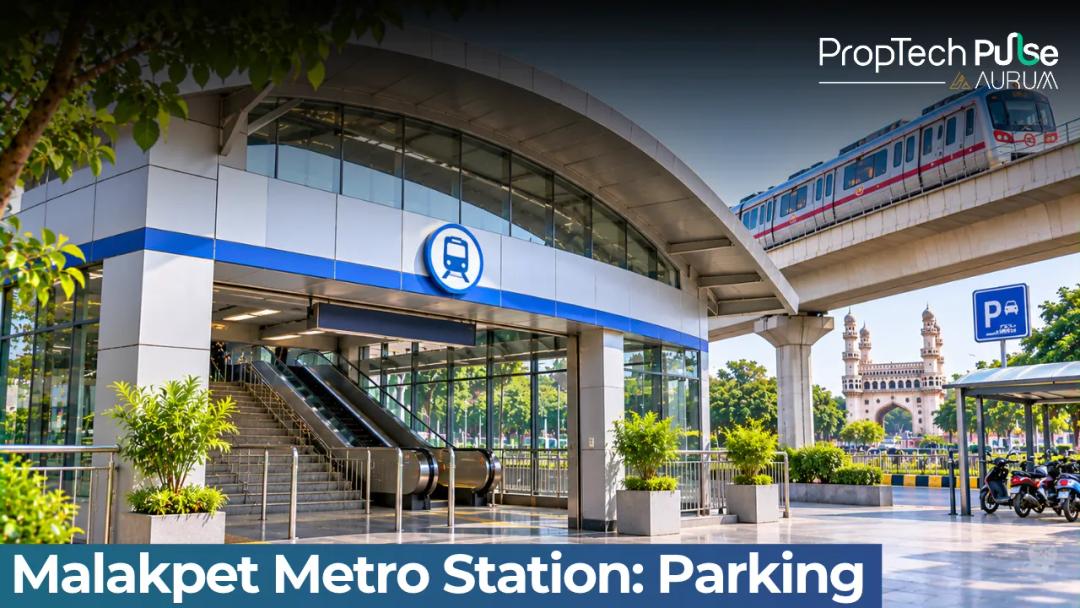
Malakpet Metro Station Guide: Timings, Routes & Parking
Gridlock in Old Malakpet isn't just annoying; it eats commuting hours. Weaving through the narrow lanes around the bazaar often means circling for parking or waiting through endless signal delays. Using the Malakpet metro station as a transit hub solves this by funneling footfall away from congested roads and directly into the city's commercial core. In this guide Understanding the Malakpet Metro Network Connectivity Train Timings and Peak Hours Navigation Map and Route Details Using the Right Gate for Your Destination Parking and Driving into Old Malakpet Final Commute Decision Rule Frequently asked questions Understanding the Malakpet Metro Network Connectivity Quick answer Malakpet metro station connects the Red Line between LB Nagar and Miyapur. It features a direct foot-over-bridge to the Malakpet MMTS railway station. The layout includes four mapped exit gates facing the crowded markets, plus dedicated parking slots at Entry D for cars and Entry C for bikes. Peak frequencies run every eight minutes, making it a reliable daily commute link. The Malakpet metro station sits firmly on the eastern stretch of the Red Line. Commuters heading west tap in to catch the Miyapur-bound train, which sweeps through Secunderabad and ends at Uppal Circle. Those travelling east stay seated until the terminus at LB Nagar. This layout ensures Malakpet operates as an interchange node rather than a dead-end stop. Evaluating transit hubs helps investors and tenants understand accessibility premiums in older neighborhoods. When a locality gets a fixed-rail connection, rental demand from corporate employees shifts predictably toward the station radius, stabilizing vacancy rates for landlords. properties located near metro stations The physical footprint covers both platforms on a raised concrete deck. You step off the train and move horizontally across a wide concourse before descending to street level. Because Old Malakpet lacks broad sidewalks, this overhead movement keeps pedestrians entirely separate from autorickshaws and cargo trucks waiting in the arterial lanes. The design minimizes the chaotic foot-traffic clashes common in heritage districts. Most importantly, the station resolves the age-old navigation nightmare of the bazaar. Local traders complain less about delivery delays when riders exit cleanly through designated gates instead of weaving through makeshift stalls. The infrastructure quietly unblocks an area that had been functionally isolated despite being central to the old city. Train Timings and Peak Hours Morning operations start early enough to catch most salaried workers before the sun heats up the asphalt. Trains bound for Miyapur begin running at roughly 06:13 AM. The first eastbound service heading to LB Nagar pulls into the platform shortly after 06:42 AM. Although these early departures feel generous, the station fills rapidly once the first batch of college students and junior staff arrive between seven and eight o'clock. Evening services conclude later than many residents expect, reducing the panic of missing the last train. The final departure towards Miyapur leaves at 11:15 PM. The terminal run towards LB Nagar follows at 11:43 PM. Weekends see marginally shorter operating windows, usually cutting the night services by fifteen minutes to allow track maintenance crews safer access. Standard operating hours for Malakpet metro station trains Direction First Train Last Train Typical Headway To Miyapur 06:13 AM 11:15 PM 5–8 minutes To LB Nagar 06:42 AM 11:43 PM 5–8 minutes Rush hour frequency tightens considerably. Between 08:30 AM and 10:00 AM, operators dispatch coaches back-to-back to handle the inbound volume. The gap rarely exceeds three minutes, which keeps queue lengths manageable even on packed weekdays. Afternoon lulls between 01:00 PM and 03:00 PM see intervals widen slightly, giving passengers who prefer quieter journeys a tactical advantage. Tip: Verify the daily roster on the official transit portal before midnight departures, as maintenance windows occasionally shift the scheduled cut-off times by a few minutes. Late travelers should never rely strictly on memory when timing their return from Secunderabad. Navigation Map and Route Details Knowing the exact path prevents wasted transfers and confused boarding mistakes. Most passengers arriving from the southern residential belts hop onto the Miyapur direction immediately. From there, the Red Line delivers riders directly to the Secunderabad Junction hub in roughly forty minutes. From the junction, connecting buses, autos, and walking paths cover the remaining stretches to Laad Bazaar or Begum Bazar. Heading East to LB Nagar Travelers originating closer to Ghatkesar or Shyamala Nagar naturally board the LB Nagar coach. The ride stays straightforward through Madhapur and Hafeezpet before turning north towards the river crossing. LB Nagar serves as the northern gateway to several high-density apartment clusters and the upcoming expansion corridors south of the Musi River. Heading West to Miyapur and Secunderabad The western corridor functions as the primary employment spine. The line threads past prominent tech parks, university campuses, and hospital complexes before terminating at Miyapur. Commuters switching directions at Ameerpet gain direct access to the Blue Line branch that feeds the HITEC City data centers. Planning that lateral swap takes about twelve minutes of walking and waiting. Hyderabad Metro Blue Line route information If your workplace sits near Film Nagar or Raidurg, alight at Ameerpet. Cross the central plaza following the directional signage for Blue Line platforms. Board the train heading towards HITEC City. The fare remains unified across the entire network, so you only pay once regardless of how many interchanges you complete during the journey. Using the Right Gate for Your Destination Old Malakpet rewards precision. The market lanes twist unpredictably, and exiting through the wrong door sends you walking uphill into heavier vehicle congestion. Station operators have mapped the four main staircases to balance pedestrian load across the surrounding streets. Recommended exit gates at Malakpet station for local destinations Destination Recommended Exit Walking Distance Notes Savera Hotel & Bus Stand Gate A Approx 100 m Heavy morning drop-off zone Muslim Graveyard & Qabristan Lane Gate B Approx 80 m Narrow side lane New Market & SBI ATM Hub Gate C Approx 60 m Crowded retail strip Malakpet Dargah Gate D Approx 50 m Main thoroughfare Passengers exiting via Gate A arrive directly opposite the hotel forecourt and the municipal bus terminus. This works beautifully for visitors catching long-distance coaches or dropping documents at nearby banks, but morning crowds surge quickly here. Gate B points inward toward the cemetery grounds and older residential plots. Shopkeepers prefer this side for early inventory drops before the afternoon heat sets in. Gate C opens onto the commercial heart where wholesale cloth merchants and electronics dealers cluster. The SBI cash counters sit just beyond the pavement edge, making this the fastest choice for quick banking runs. Gate D faces the shrine directly. Pilgrims and weekend shoppers gravitate here, but the pedestrian flow becomes thickest between sunset and nine o'clock. Carry shoulder bags securely when exiting here during festival periods. Parking and Driving into Old Malakpet Trying to drive private vehicles into the inner bazaar lanes invites frustration. The roads were designed for bullock carts and cycle rickshaws, not modern sedans carrying families. Reversing a car out of a blind alley after a failed parking attempt wastes considerable fuel and temper. The metro operation deliberately channels drivers away from the core. The station compound at Entry D houses the primary paid parking facility. Four-wheelers queue here first, followed by motorcycles stacked neatly in tiered racks at Entry C. Rates remain competitive compared to independent valet services that charge exorbitant fees to watch your keys in dusty lots. Pay through the automated kiosks or scan the QR code posted at the barrier arm before clearing the gate. Hourly and monthly parking tariffs at Malakpet Metro station car park Vehicle Type Initial Free Period Standard Hourly Rate (>3 hrs) Monthly Pass Rate Entry Point Two Wheeler 60 minutes ₹25 per hour ₹525 Entry C Four Wheeler 60 minutes ₹75 per hour ₹1,450 Entry D Daily commuters benefit significantly from the monthly pass structure. Banking professionals, clinic staff, and government clerks working near Charminar or Abids find the flat fee far more economical than paying hourly fees for half-day meetings. The pass covers unlimited entries and exits within the same calendar month, eliminating the tedious transaction at every arrival. Delivery vendors handling lightweight parcels sometimes bypass the formal slots and attempt parallel parking on the curb. Traffic wardens fine these attempts aggressively during peak trading hours. Stick to the sanctioned bay, drop your packages at the handoff point outside the metro lobby, and let regular walkers carry goods the final stretch. occupancy certificate guidelines Final Commute Decision Rule Choose the combined metro and railway transfer when your destination sits along the Secunderabad or Lingampally corridors. The physical link removes waiting ambiguity and cuts total travel time by nearly forty percent compared to surface traffic. Opt for the standalone metro route when your workplace lands squarely in the HITEC City extension or Miyapur tech belt. Book a monthly car parking slot at Entry D. Treat the drive as an exercise in convenience rather than necessity. Walk briskly to the nearest gate matching your final address. Frequently asked questions What are the last train timings from Malakpet metro station? The final service heading towards Miyapur departs at 11:15 PM, while the last train bound for LB Nagar leaves at 11:43 PM. These schedules apply daily, but headways extend to twenty minutes during late night hours. Travelers reaching platform level past ten thirty should expect a longer wait before boarding, so planning your evening return around the roster reduces downtime significantly. Does Malakpet metro station provide paid parking for private cars? Yes, the elevated station complex at Entry D includes a dedicated multi-vehicle bay that accommodates four wheelers alongside two wheelers. You will pay an hourly slab after your initial free window, and monthly passes offer a better rate for daily commuters working in the surrounding business zones. Always clear the entry barrier before crossing the pedestrian footover bridge to avoid traffic friction. Which exit gate leads directly to the Malakpet Dargah? Gate D sits closest to the historic shrine and the busy New Market perimeter. After tapping your card through the automated turnstiles, take the stairs or lift down to the street level and walk roughly fifty meters west. Avoid relying on Gate A if your destination is religious; that exit funnels you straight into heavy vehicular flow near the Savera Hotel interchange. How long does it take to switch between the Malakpet metro and MMTS trains? The physical connection requires barely five minutes. Once you step off the metro train onto the concourse, follow the raised pathway directly across the road into the Indian Railways building. No separate security check or ticket counter visit is necessary if you already hold a valid MMTS pass or e-ticket. This direct transfer makes the node highly effective for cross-town office commutes. Are women allowed to travel on late night metro services alone? Safety protocols permit solo female passengers to use the system until the final roster closes. Stations employ visible security personnel and emergency help buttons attached to elevator shafts and stair landings. Female commuters report feeling secure during evening returns, particularly when utilizing well-lit platforms and avoiding poorly maintained ground-level streets after eleven pm. Enjoyed this blog article? Visit PropTech Pulse for more interesting blogs.
PropTech Pulse Editorial
23rd November 2026

Uncategorized
Top Posh Areas in Noida 2026: Sector-by-Sector Guide
In Noida, being a posh area in noida means strict urban planning dictates your lifestyle. It isn't just about price per square foot. It relies on low floor-space ratio (FAR) limits, secure gated infrastructure, and wide roads that physically separate these zones from the rest of the city. Buyers searching for a posh area in noida want two distinct things: sprawling independent houses in legacy bungalow belts, or modern vertical living with resort-style amenities. This guide cuts through standard listing copy. We map the actual luxury zones using the Noida Authority’s master plan rules. We also break down what structurally defines each posh area in noida and explain how the impending Jewar Airport launch reshapes long-term capital appreciation. In this guide What Actually Makes a Locality "Posh" in Noida? Noida’s Legacy Luxury Zones Noida’s New-Age High-Rise and Golf-Course Luxury Expanding Premium Boundaries Beyond Noida City Limits How Jewar Airport and Infrastructure Are Reshaping Prices Quick Comparison: Which Noida Luxury Sector Fits You? Frequently asked questions What Actually Makes a Locality "Posh" in Noida? Quick answer A posh area in noida is defined by strict master-plan zoning rather than just market price. The Noida Authority enforces low Floor Space Ratio (FAR) limits, mandates minimum road widths, and preserves green buffers in premium sectors like 15A, 44, 94, and 150. These municipal rules prevent haphazard high-rise encroachment, ensuring the wide streets, low density, and high privacy that justify premium valuations. When people talk about noida neighborhoods reaching a certain income bracket, they aren't just referring to builders charging extra for sea-view facades. They are talking about a physical blueprint dictated by municipal policy. The Noida Authority reserves its premium plots for strictly regulated development. The main driver is Floor Space Ratio. Commercial sectors push FAR limits to their maximum to generate revenue. Top-tier residential sectors cap FAR significantly lower. That math directly controls building height and population density. Lower density yields wider internal roads, larger setbacks, and fewer shared walls. This structural premium commands higher prices. Beyond zoning, established posh localities carry mature infrastructure that takes years to replicate. Think of underground cabling, dedicated stormwater drains, and paved sidewalks that survive the monsoon season. Developers can add marble lobbies and infinity pools. But they cannot buy the peace of mind that comes with decades-old civic planning. Noida’s Legacy Luxury Zones Noida started in 1993. Its first wave of affluent families settled where the land was widest and the original master plan prioritized low-rise construction. These areas hold value because inventory is fixed. When a 60-foot-wide independent house changes hands, it rarely hits the broader market twice in a decade. Sector 44 & 15A: The Original Trophy Addresses Sector 44 sits at the geographical heart of early Noida. It was designed exclusively for large independent homes. The result is tree-lined streets and massive plot sizes that simply do not exist in newer phases. Proximity to the lively Sector 18 shopping district keeps daily errands short. The area maintains a quiet residential aura after 8 PM. Families prefer this pocket because the surrounding community has existed for decades. Schools, clinics, and premium supermarkets are all within walking distance. Adjacent Sector 15A offers similar independence-focused architecture. It leans slightly more towards newer constructions on older plots. The combination of established social circles and central geography makes these two sectors the traditional benchmark for wealth in the region. Investors looking at the investment potential of noida real estate often flag these sectors for their rental stability among senior corporate expats who prioritize space over vertical amenities. Sector 47 & 50: Established Family Enclaves Just east of the core trophy addresses, Sectors 47 and 50 blend independent housing with well-regulated low-rise apartment complexes. These neighborhoods attract parents relocating from Delhi. They sit close to several reputed international schools and major medical centers in Sector 39. The pace here is deliberate. You will not find the chaotic traffic of mixed-use commercial blocks. Wide boulevards lined with mango and Neem trees define the aesthetic. Property values remain resilient precisely because the supply of land is exhausted. Noida’s New-Age High-Rise and Golf-Course Luxury As Noida's initial land bank filled, development shifted toward controlled vertical expansion. Builders applied for higher FAR approvals in specific pockets. They created a completely different type of luxury centered on modern amenities, concierge services, and smart-home integrations. Sector 150: The Low-Density Green Standard If you want modern architecture without the feeling of living in a concrete jungle, Sector 150 is the current gold standard. The master plan allocated massive open spaces and parks within this sector. The design forces buildings to step back from the street. This creates a layout where towers are separated by substantial green verges rather than brick walls. Traffic calming measures keep vehicular speed low. Young families choose it for elevator access and clubhouse gyms, refusing crowded playgrounds or blocked views. A practical way to understand this premium is through the math of space. In a standard 2,000 sq ft apartment footprint, a FAR difference between 2.0 and 1.5 drastically changes the building height. It translates to roughly 20% more open space distributed among the residents. When you calculate the per-sqm cost, you pay for that unbuildable footprint. Luxury buyers in Noida pay a 12% to 15% premium per square foot. They accept this to avoid shared walls and compromised ventilation. Sector 128 & 137: Golf-View and Corporate Convenience Closer to the Noida-Greater Noida Expressway, these sectors capture professionals working in nearby IT and BPO hubs. Several high-rise developments boast direct views of the Indian Golf Course. The course acts as a permanent green buffer against pollution and noise. The trade-off is slightly higher population density compared to Sector 150. Superior retail integration on the ground floors compensates. Restaurants, pharmacies, and boutique stores operate on-site. You leave your society less frequently. Sector 94: Sky-Living at the Border Positioned right at the edge of Noida heading toward Greater Noida, Sector 94 bridges two worlds. It functions as a gateway locality. Developers prize the prime frontage along wide arterial roads. Projects here lean heavily into resort-style programming, featuring pool decks, sky lounges, and extensive fitness tracks. Commuters favor this address. It offers rapid access to the DND Flyway expansions while remaining connected to the latest transit infrastructure. Understanding which noida sectors have the best metro connectivity confirms that future Blue Line expansions will thread through this corridor, cementing its status as a high-value transit-oriented development zone. Expanding Premium Boundaries Beyond Noida City Limits Premium boundaries rarely stay static. As Noida’s prime sectors become prohibitively expensive or entirely sold out, capital flows across municipal borders. The immediate beneficiary is the stretch along the Yamuna Expressway heading south, specifically around Zero Point. This intersection marks the end of the existing Greater Noida municipal authority jurisdiction and the beginning of Yeida-controlled territory. Buyers seeking ultra-premium villas, independent floors, and luxury townships are turning to zero point greater noida. It offers vast tracts of land that Noida no longer possesses. The sheer scale of these new township projects mimics the best layouts found in Gurugram’s DLF phase extensions. Specialized teams of real estate agents in greater noida have developed deep expertise in navigating Yeida’s allotment rules. They smooth the path for investors used to the stricter grid of Noida. You get more physical asset for your money here. You trade municipal maturity for significantly larger square footage. How Jewar Airport and Infrastructure Are Reshaping Prices The single largest catalyst for Noida’s next decade is the Noida International Airport at Jewar. Currently under advanced completion by the Airports Authority of India, the operational timeline points toward late 2026. An international hub improves connectivity. It rewrites the attractiveness map for entire districts. Sectors that previously felt peripheral are experiencing accelerated appreciation. This includes 94 and parts of Phase II. They sit on the optimal approach paths and highway connections leading to the new terminal. The psychological shift for buyers is tangible. Owning property near an international airport fundamentally alters exit strategies and long-term holding periods. Investors evaluating the pari chowk metro station guide to jewar airport access see clear evidence that upcoming interchange links will funnel massive commuter traffic through eastern Noida. Luxury developers are already pricing in this infrastructure premium. Projects promising direct expressway access now command 15% to 20% premiums over comparable units located further north. Modeling a five-year hold requires accounting for initial airport hype and speculative spikes. Properties within a 10-kilometer radius of a proposed airport typically see a 25% price bump during the pre-construction phase. Markets stabilize once operations begin. Noida benefits from a stronger baseline demand curve. Dips are shallow. Recovery is fast. Quick Comparison: Which Noida Luxury Sector Fits You? Indicative comparison of key luxury sectors based on master-plan traits and target demographics (prices vary by builder and configuration) Sector Vibe Best For Indicative Price Tag 44 & 15A Legacy, expansive, highly private Families prioritizing independent houses and central location Premium Independent Houses 47 & 50 Established, balanced residential mix Parents requiring proximity to top-tier schools and hospitals Mid-to-High Range 150 Modern, low-density, park-centric Young families seeking wide setbacks and resort-style societies High-End Vertical 128 & 137 Golf-facing, corporate-adjacent Professionals wanting retail convenience and minimal commute friction Premium Vertical 94 Gateway, transit-focused, amenity-heavy Investors targeting capital appreciation near the Jewar corridor High Growth Potential Note that the figures above represent general bracket positioning rather than specific rupee-per-square-foot averages. Rates fluctuate weekly based on tower height, facing direction, and ongoing builder discounts. Due Diligence Before Buying Luxury Real Estate in Noida Luxury status does not automatically guarantee a clean title or smooth possession. The complexity of Noida’s master plan means that individual plots sometimes carry unique encumbrances, restricted transferability clauses, or overlapping land-use permissions. Always cross-reference the approved master plan for your specific sector before signing an agreement. Verifying the project on the state regulator's portal is non-negotiable. A thorough walkthrough of how to verify UP RERA registered projects reveals whether the builder actually holds the necessary occupancy certificates. It also shows if their promised amenities match what is legally approved. Finally, consult the latest data from the ACRU portal to ensure you are not paying a speculative premium detached from official circle rates. Secure your purchase. Walk away from unclear titles immediately. The most expensive home is rarely the safest investment. Frequently asked questions Which is the most expensive posh sector in Noida right now? Sectors 44 and 15A consistently command the highest per-square-foot rates due to their scarcity of large independent houses and central location near Sector 18. Modern vertical towers in Sectors 150 and 94 command high rates. True trophy assets in the legacy zones, however, trade at a steep markup due to permanently fixed land supply. Demand stays fiercely competitive even as the broader market cools. What makes Noida neighborhoods different from Greater Noida? Noida operates under a rigid, centralized municipal master plan enforced strictly by the Noida Authority, dictating exact road widths, FAR limits, and green zones. Greater Noida, managed by YEIDA, focuses on massive township developments, industrial integration, and flexible plotting rules. Essentially, Noida offers mature, highly regulated civic infrastructure and dense connectivity, while Greater Noida provides vast undeveloped land and newer, sprawling township models further from Delhi. Is Zero Point Greater Noida considered a posh residential zone? Zero Point serves as the prestigious gateway at the exact boundary between the Noida-Mathura Road and the Yamuna Expressway. It is rapidly becoming a premium destination for ultra-high-net-worth individuals seeking large villa plots and luxury townships. Because Yeida allows for expansive, low-density developments here, it attracts buyers who want Gurugram-scale spaciousness but desire the logistical advantages of being adjacent to Noida's established infrastructure grid. Which posh areas in Noida have the best connectivity to Delhi? For direct highway access to Central and West Delhi, Sectors 94, 128, and 137 provide the fastest commutes via the Noida-Greater Noida Expressway and the DND Flyway interchanges. Within the city limits, the northern sectors like 44 and 15A are geographically closest to the DND entry points, drastically reducing morning traffic friction. Recent Blue Line metro expansions are also integrating Sector 94, offering a traffic-free alternative for commuters heading toward the southern corridors. How does the Jewar Airport affect property prices in Noida? The Noida International Airport at Jewar fundamentally reweights the region's appreciation curves, acting as a powerful magnet for capital. Properties positioned along the approach flight paths and expressway corridors—particularly in Phase II, Sector 94, and eastern Greater Noida—are commanding significant premiums. Buyers modeling a five-year hold should anticipate initial speculative volatility, but the long-term structural uplift for well-located luxury inventory is historically proven and exceptionally strong. Sources UP RERA: Project verification guidelines and registration rules (accessed November 2026) Delhi Metro Rail Corporation: Blue Line route mapping and station interchange details affecting Noida connectivity (accessed November 2026) Enjoyed this blog article? Visit PropTech Pulse for more interesting blogs.
PropTech Pulse Editorial
23rd November 2026
Uncategorized
Ghevra Metro Station: Timings, Fares & Nearby Areas Guide
Living in Outer North Delhi means riding the Green Line daily. Knowing how Ghevra station works separates a smooth commute from a frantic dash. The station sits between industrial zones and residential pockets. Trains split at Ashok Park Main, so you must know platform directions, daily costs, and the lack of parking. This guide replaces listing fluff with actionable logistics. We use the latest Delhi Metro Rail Corporation data for 2026 to show you exactly what residents need to know. In this guide Quick Answer: Ghevra Metro Timings & Location Ghevra Metro Station Layout: Which Gate Goes Where? Ghevra Metro Fares and Ticket Slabs (2026) Daily Commute: Travelling from Ghevra to Rajiv Chowk and Beyond Public Transit Connections: Rail and Bus Linkups Living Near Ghevra Metro: Commuter Pros and Cons Final Decision Rule for Choosing Ghevra Frequently asked questions Quick Answer: Ghevra Metro Timings & Location Quick answer Ghevra metro station (code GHEM) lies on the Delhi Metro Green Line in Outer North Delhi. The first train leaves at 05:15 AM towards Inderlok, and the last train runs at 11:37 PM towards Brigadier Hoshiar Singh. Trains arrive every 6 minutes during peak hours and every 7 minutes 45 seconds off-peak. The station has zero on-site parking, meaning residents rely heavily on auto-rickshaws or bicycles. Type 'ghevra metro' into a search engine and you will find logistical data instead of builder advertisements. The station opened on 24 June 2018. Foot traffic stays heavy from nearby residential blocks and industrial workers. It connects directly to Rohtak-Bahadurgarh Road, the main artery feeding commuters back into central Delhi and further west to Dwarka. Ghevra Metro Station Layout: Which Gate Goes Where? Outer North Delhi terminals often confuse first-time riders because the platforms face opposite directions. Understanding the gate-to-concourse flow saves time and avoids waiting on the wrong track. Ghevra metro station has two street-level exits that funnel passengers up to the paid area, leading to platforms running north-south. Gate numbers on elevated stations correspond to road access points, but they simply guide users toward the same staircase clusters. Once inside, you choose your boarding point based on your final destination, not merely the gate you entered. Platform 1 Destination: Brigadier Hoshiar Singh Head to Platform 1 if your journey takes you westbound. This platform carries trains heading toward Brigadier Hoshiar Singh and eventually terminates at Dwarka Sector 21. For residents commuting toward HUDA City Centre or Rajiv Chowk, you do not take this train unless you plan to change lines further down the route. Platform 2 Destination: Inderlok or Kirti Nagar Platform 2 is the correct track for heading east toward the city centre and South Delhi. However, there is a specific operational quirk here that trips up many new riders. All trains leave Ghevra bound for either Inderlok or Kirti Nagar via Ashok Park Main, but they diverge once they cross that junction. Red Line connection: These trains switch tracks at Ashok Park Main to merge with the Red Line, taking you to Kashmere Gate, Chandni Chowk, and Old Delhi. Yellow Line branch: Trains following this route continue straight past Ashok Park Main toward Tis Hazari, Patel Chowk, and Hauz Khas. This branching pattern means you still board the same physical platform in Ghevra, but you must verify the final destination displayed on the coach before entering. If you miss the audio announcement, ask the station duty officer or look for the green directional signage near the ticket barriers. Ghevra Metro Fares and Ticket Slabs (2026) Delhi Metro calculates fares based on distance travelled, not zone-based entry. Since Ghevra sits far out on the line, your daily round trip to central hubs puts you in the mid-distance tariff bracket. Below is the standard Mon–Sat pricing structure applicable to smart card reloads and single-use tokens. Delhi Metro standard fare table representing outer north delhi commutes (mon-sat) Distance range Fare (₹) Up to 2 km 11 After 2 km to 8 km 13 After 8 km to 17 km 15 After 17 km to 23 km 17 After 23 km to 31 km 19 After 31 km to 40 km 22 Ghevra to Rajiv Chowk (one-way) 54 Sundays and gazetted holidays offer a flat twenty percent concession across all categories. That drops your Ghevra to Rajiv Chowk ticket from ₹54 down to ₹43. Students and senior citizens receive additional discounts tied to their registered ID cards. Casual weekly visitors rarely qualify unless they carry valid documentation. Always keep some change in your wallet or rely on a loaded smart card. The vending machines accept notes and coins, but technical jams at smaller stations frequently lead to queues during peak rush hours. Weekly commuter tip If you travel five days a week, pre-loading your smart card is cheaper and faster than buying paper tokens. A monthly pass does not exist for this route, so loading ₹500 or ₹1000 ahead of time eliminates queue friction entirely. Daily Commute: Travelling from Ghevra to Rajiv Chowk and Beyond For professionals working in Connaught Place or Civil Lines, Ghevra offers an affordable ticket price, but time is the real currency. The ride to Rajiv Chowk takes roughly fifty-five minutes during normal conditions. Crowding slows the doors at Kirti Nagar or Ashok Park Main, pushing the trip closer to an hour and ten minutes. A worked example for an office worker Rahul lives in Block C and works at a financial firm near Janpath. He uses the metro five days a week. His daily maths looks like this: Morning peak departure at 07:30 AM. Train arrives quickly thanks to the 6 minute 15 second frequency. He boards the Kirti Nagar-bound coach. Total travel time lands at 58 minutes. One-way fare is ₹54. Round-trip cost climbs to ₹108 daily. Over twenty-two working days, that equals ₹2,376 a month strictly on travel. If he chose a property closer to Rajiv Chowk to skip this commute, his rent would likely jump by ₹25,000. The trade-off is clear. You save significant rental money upfront while accepting longer transit hours. Most salaried buyers factor in a thirty-minute tolerance window. Rahul sits just past that threshold. The location works for budget-conscious earners who prioritise savings over speed. Dwarka Sector 21 at the other end of the Green Line sees slightly lower occupancy. Trains feel less cramped, and the journey to Ghevra matches almost identically in duration. Timing your departure just before the afternoon rush helps bypass the worst congestion. Public Transit Connections: Rail and Bus Linkups Local metro reviews often miss how easily you can transfer to Indian Railways and state buses. Ghevra metro station plugs directly into the broader transit grid without requiring a confusing street crossing. Walking Route to Ghevra Railway Station Exit the metro complex via Gate No. 2. You will step directly onto a wide pedestrian pathway that follows the railway reserve. Ghevra Railway Station on the New Delhi-Jind-Mbore branch sits approximately 1.5 kilometres away. It takes roughly twenty minutes on foot. Cut that time down by flagging down a local cycle auto. You can also walk half the distance and catch a feeder bus instead. The railway link matters mostly if you work in Old Delhi or are travelling outside the National Capital Region entirely. ISBT and Local Bus Routes Passing Rohtak-Bahadurgarh Road The Ghevra Mor intersection serves as a massive terminal for DTC and RSRTC buses. Routes connecting to ISBT Kashmiri Gate depart frequently throughout the day. If you live in Basant Enclave Ghevra or Block A Ghevra, just catch a bus here. You get direct rides to Shahdara and Seelampur without swiping a metro card. Commuters heading towards the western industrial belt catch buses bound for Bawana or Badkal Mor. Traffic on Rohtak Road stays chaotic. Locking in fixed monthly travel passes for these state transport vehicles protects your budget better than relying on surge-priced rideshares. Living Near Ghevra Metro: Commuter Pros and Cons Property investors scanning Outer North Delhi immediately clock the value proposition here. Rental yields in pockets like Block C Ghevra remain competitive, drawing students and early-career professionals who cannot afford central Delhi rents. The proximity to major manufacturing units and wholesale markets guarantees constant demand for rental housing. Landlords rarely experience vacancies exceeding a few days. The workforce moves fast and requires shelter close to employment hubs. Securing long-term lease contracts pays dividends regardless of macro market dips. Living next to a high-frequency terminal brings noise pollution. The roar of diesel buses merging onto Rohtak Road and the constant arrival announcements limit open-window living on ground floors. Second-storey rentals command a premium for exactly this reason. Air quality during winter months also deteriorates rapidly due to vehicular density in the surrounding colonies. Parking is a major headache. Since DMRC provides no dedicated slots, car owners rely on nearby commercial lots or private societies. Keep some cash handy for autos during heavy rain or shift changes. Final Decision Rule for Choosing Ghevra Choose a home near Ghevra metro station if your priority fits within three boundaries. You must earn a modest middle-class salary that benefits heavily from cheaper rents. Reliable connectivity to West Delhi or Central Delhi workplaces is non-negotiable, accepting a fifty-five minute commute as the cost of entry. You must also be willing to skip owning a personal vehicle in favour of public transport efficiency. If your daily routine involves frequent meetings in South Delhi or Gurugram beyond Huda City Centre, this corner of the map will eat into your working hours too aggressively. Frequently asked questions What is the timing of Ghevra metro station? The first train leaves Ghevra at 05:15 AM heading towards Inderlok, while the last scheduled service departs at 11:37 PM towards Brigadier Hoshiar Singh. Daytime frequencies run tightly packed every 6 minutes during rush hours and stretch to nearly 8 minutes between late morning and evening stretches. These intervals reflect DMRC efforts to manage the heavy industrial workforce volume in Outer North Delhi. Which line is Ghevra metro station? Ghevra sits firmly on the Delhi Metro Green Line, operating between BG&R Depot and Dwarka Sector 21. Trains originating from Ghevra split directions once they cross Ashok Park Main Junction, sending coaches either toward Kirti Nagar on the Yellow Line branch or turning inward toward Inderlok to merge with the Red Line network. Is there parking at Ghevra metro station? The station offers absolutely no surface parking spaces for cars or motorcycles. Drivers must park at private facilities located down Rohtak Road or utilize bicycle racks positioned near the main entrance pillars. Most permanent residents simply hand their keys to local valets waiting outside Gate 2 who charge a small monthly fee. How much is the fare from Ghevra metro to Rajiv Chowk? A standard one-way journey costs ₹54 during regular weekdays, calculated strictly on the distance covered. Riders traveling on Sundays or gazetted holidays enjoy a twenty percent discount, bringing the ticket price down to ₹43. Student IDs carry separate subsidized tariffs, though casual visitors should always carry sufficient mobile balance on their smart cards. How long does it take to reach Rajiv Chowk? Getting from Ghevra to Rajiv Chowk takes roughly fifty-five minutes under normal crowd conditions. The route passes through Kirti Nagar, Patel Chowk, and Chandni Chowk, exposing riders to the busiest interchange zones in the capital. Morning departures between 08:00 and 09:00 AM guarantee standing room only until you disembark near Connaught Place. Enjoyed this blog article? Visit PropTech Pulse for more interesting blogs.
PropTech Pulse Editorial
23rd November 2026
Uncategorized
Malakpet Metro Station Guide: Timings, Routes & Parking
Gridlock in Old Malakpet isn't just annoying; it eats commuting hours. Weaving through the narrow lanes around the bazaar often means circling for parking or waiting through endless signal delays. Using the Malakpet metro station as a transit hub solves this by funneling footfall away from congested roads and directly into the city's commercial core. In this guide Understanding the Malakpet Metro Network Connectivity Train Timings and Peak Hours Navigation Map and Route Details Using the Right Gate for Your Destination Parking and Driving into Old Malakpet Final Commute Decision Rule Frequently asked questions Understanding the Malakpet Metro Network Connectivity Quick answer Malakpet metro station connects the Red Line between LB Nagar and Miyapur. It features a direct foot-over-bridge to the Malakpet MMTS railway station. The layout includes four mapped exit gates facing the crowded markets, plus dedicated parking slots at Entry D for cars and Entry C for bikes. Peak frequencies run every eight minutes, making it a reliable daily commute link. The Malakpet metro station sits firmly on the eastern stretch of the Red Line. Commuters heading west tap in to catch the Miyapur-bound train, which sweeps through Secunderabad and ends at Uppal Circle. Those travelling east stay seated until the terminus at LB Nagar. This layout ensures Malakpet operates as an interchange node rather than a dead-end stop. Evaluating transit hubs helps investors and tenants understand accessibility premiums in older neighborhoods. When a locality gets a fixed-rail connection, rental demand from corporate employees shifts predictably toward the station radius, stabilizing vacancy rates for landlords. properties located near metro stations The physical footprint covers both platforms on a raised concrete deck. You step off the train and move horizontally across a wide concourse before descending to street level. Because Old Malakpet lacks broad sidewalks, this overhead movement keeps pedestrians entirely separate from autorickshaws and cargo trucks waiting in the arterial lanes. The design minimizes the chaotic foot-traffic clashes common in heritage districts. Most importantly, the station resolves the age-old navigation nightmare of the bazaar. Local traders complain less about delivery delays when riders exit cleanly through designated gates instead of weaving through makeshift stalls. The infrastructure quietly unblocks an area that had been functionally isolated despite being central to the old city. Train Timings and Peak Hours Morning operations start early enough to catch most salaried workers before the sun heats up the asphalt. Trains bound for Miyapur begin running at roughly 06:13 AM. The first eastbound service heading to LB Nagar pulls into the platform shortly after 06:42 AM. Although these early departures feel generous, the station fills rapidly once the first batch of college students and junior staff arrive between seven and eight o'clock. Evening services conclude later than many residents expect, reducing the panic of missing the last train. The final departure towards Miyapur leaves at 11:15 PM. The terminal run towards LB Nagar follows at 11:43 PM. Weekends see marginally shorter operating windows, usually cutting the night services by fifteen minutes to allow track maintenance crews safer access. Standard operating hours for Malakpet metro station trains Direction First Train Last Train Typical Headway To Miyapur 06:13 AM 11:15 PM 5–8 minutes To LB Nagar 06:42 AM 11:43 PM 5–8 minutes Rush hour frequency tightens considerably. Between 08:30 AM and 10:00 AM, operators dispatch coaches back-to-back to handle the inbound volume. The gap rarely exceeds three minutes, which keeps queue lengths manageable even on packed weekdays. Afternoon lulls between 01:00 PM and 03:00 PM see intervals widen slightly, giving passengers who prefer quieter journeys a tactical advantage. Tip: Verify the daily roster on the official transit portal before midnight departures, as maintenance windows occasionally shift the scheduled cut-off times by a few minutes. Late travelers should never rely strictly on memory when timing their return from Secunderabad. Navigation Map and Route Details Knowing the exact path prevents wasted transfers and confused boarding mistakes. Most passengers arriving from the southern residential belts hop onto the Miyapur direction immediately. From there, the Red Line delivers riders directly to the Secunderabad Junction hub in roughly forty minutes. From the junction, connecting buses, autos, and walking paths cover the remaining stretches to Laad Bazaar or Begum Bazar. Heading East to LB Nagar Travelers originating closer to Ghatkesar or Shyamala Nagar naturally board the LB Nagar coach. The ride stays straightforward through Madhapur and Hafeezpet before turning north towards the river crossing. LB Nagar serves as the northern gateway to several high-density apartment clusters and the upcoming expansion corridors south of the Musi River. Heading West to Miyapur and Secunderabad The western corridor functions as the primary employment spine. The line threads past prominent tech parks, university campuses, and hospital complexes before terminating at Miyapur. Commuters switching directions at Ameerpet gain direct access to the Blue Line branch that feeds the HITEC City data centers. Planning that lateral swap takes about twelve minutes of walking and waiting. Hyderabad Metro Blue Line route information If your workplace sits near Film Nagar or Raidurg, alight at Ameerpet. Cross the central plaza following the directional signage for Blue Line platforms. Board the train heading towards HITEC City. The fare remains unified across the entire network, so you only pay once regardless of how many interchanges you complete during the journey. Using the Right Gate for Your Destination Old Malakpet rewards precision. The market lanes twist unpredictably, and exiting through the wrong door sends you walking uphill into heavier vehicle congestion. Station operators have mapped the four main staircases to balance pedestrian load across the surrounding streets. Recommended exit gates at Malakpet station for local destinations Destination Recommended Exit Walking Distance Notes Savera Hotel & Bus Stand Gate A Approx 100 m Heavy morning drop-off zone Muslim Graveyard & Qabristan Lane Gate B Approx 80 m Narrow side lane New Market & SBI ATM Hub Gate C Approx 60 m Crowded retail strip Malakpet Dargah Gate D Approx 50 m Main thoroughfare Passengers exiting via Gate A arrive directly opposite the hotel forecourt and the municipal bus terminus. This works beautifully for visitors catching long-distance coaches or dropping documents at nearby banks, but morning crowds surge quickly here. Gate B points inward toward the cemetery grounds and older residential plots. Shopkeepers prefer this side for early inventory drops before the afternoon heat sets in. Gate C opens onto the commercial heart where wholesale cloth merchants and electronics dealers cluster. The SBI cash counters sit just beyond the pavement edge, making this the fastest choice for quick banking runs. Gate D faces the shrine directly. Pilgrims and weekend shoppers gravitate here, but the pedestrian flow becomes thickest between sunset and nine o'clock. Carry shoulder bags securely when exiting here during festival periods. Parking and Driving into Old Malakpet Trying to drive private vehicles into the inner bazaar lanes invites frustration. The roads were designed for bullock carts and cycle rickshaws, not modern sedans carrying families. Reversing a car out of a blind alley after a failed parking attempt wastes considerable fuel and temper. The metro operation deliberately channels drivers away from the core. The station compound at Entry D houses the primary paid parking facility. Four-wheelers queue here first, followed by motorcycles stacked neatly in tiered racks at Entry C. Rates remain competitive compared to independent valet services that charge exorbitant fees to watch your keys in dusty lots. Pay through the automated kiosks or scan the QR code posted at the barrier arm before clearing the gate. Hourly and monthly parking tariffs at Malakpet Metro station car park Vehicle Type Initial Free Period Standard Hourly Rate (>3 hrs) Monthly Pass Rate Entry Point Two Wheeler 60 minutes ₹25 per hour ₹525 Entry C Four Wheeler 60 minutes ₹75 per hour ₹1,450 Entry D Daily commuters benefit significantly from the monthly pass structure. Banking professionals, clinic staff, and government clerks working near Charminar or Abids find the flat fee far more economical than paying hourly fees for half-day meetings. The pass covers unlimited entries and exits within the same calendar month, eliminating the tedious transaction at every arrival. Delivery vendors handling lightweight parcels sometimes bypass the formal slots and attempt parallel parking on the curb. Traffic wardens fine these attempts aggressively during peak trading hours. Stick to the sanctioned bay, drop your packages at the handoff point outside the metro lobby, and let regular walkers carry goods the final stretch. occupancy certificate guidelines Final Commute Decision Rule Choose the combined metro and railway transfer when your destination sits along the Secunderabad or Lingampally corridors. The physical link removes waiting ambiguity and cuts total travel time by nearly forty percent compared to surface traffic. Opt for the standalone metro route when your workplace lands squarely in the HITEC City extension or Miyapur tech belt. Book a monthly car parking slot at Entry D. Treat the drive as an exercise in convenience rather than necessity. Walk briskly to the nearest gate matching your final address. Frequently asked questions What are the last train timings from Malakpet metro station? The final service heading towards Miyapur departs at 11:15 PM, while the last train bound for LB Nagar leaves at 11:43 PM. These schedules apply daily, but headways extend to twenty minutes during late night hours. Travelers reaching platform level past ten thirty should expect a longer wait before boarding, so planning your evening return around the roster reduces downtime significantly. Does Malakpet metro station provide paid parking for private cars? Yes, the elevated station complex at Entry D includes a dedicated multi-vehicle bay that accommodates four wheelers alongside two wheelers. You will pay an hourly slab after your initial free window, and monthly passes offer a better rate for daily commuters working in the surrounding business zones. Always clear the entry barrier before crossing the pedestrian footover bridge to avoid traffic friction. Which exit gate leads directly to the Malakpet Dargah? Gate D sits closest to the historic shrine and the busy New Market perimeter. After tapping your card through the automated turnstiles, take the stairs or lift down to the street level and walk roughly fifty meters west. Avoid relying on Gate A if your destination is religious; that exit funnels you straight into heavy vehicular flow near the Savera Hotel interchange. How long does it take to switch between the Malakpet metro and MMTS trains? The physical connection requires barely five minutes. Once you step off the metro train onto the concourse, follow the raised pathway directly across the road into the Indian Railways building. No separate security check or ticket counter visit is necessary if you already hold a valid MMTS pass or e-ticket. This direct transfer makes the node highly effective for cross-town office commutes. Are women allowed to travel on late night metro services alone? Safety protocols permit solo female passengers to use the system until the final roster closes. Stations employ visible security personnel and emergency help buttons attached to elevator shafts and stair landings. Female commuters report feeling secure during evening returns, particularly when utilizing well-lit platforms and avoiding poorly maintained ground-level streets after eleven pm. Enjoyed this blog article? Visit PropTech Pulse for more interesting blogs.
PropTech Pulse Editorial
23rd November 2026

Ask Pulse Ai anything about real estate

Unlock the Latest in Real Estate
News, Infographics, Blogs & More! Delivered to your inbox.

