New Launch - India Real Estate Report 2026.

Services
Knowledge Hub
Resources
Tools

Ask Pulse Ai
©PropTech Pulse 2025, All rights reserved.


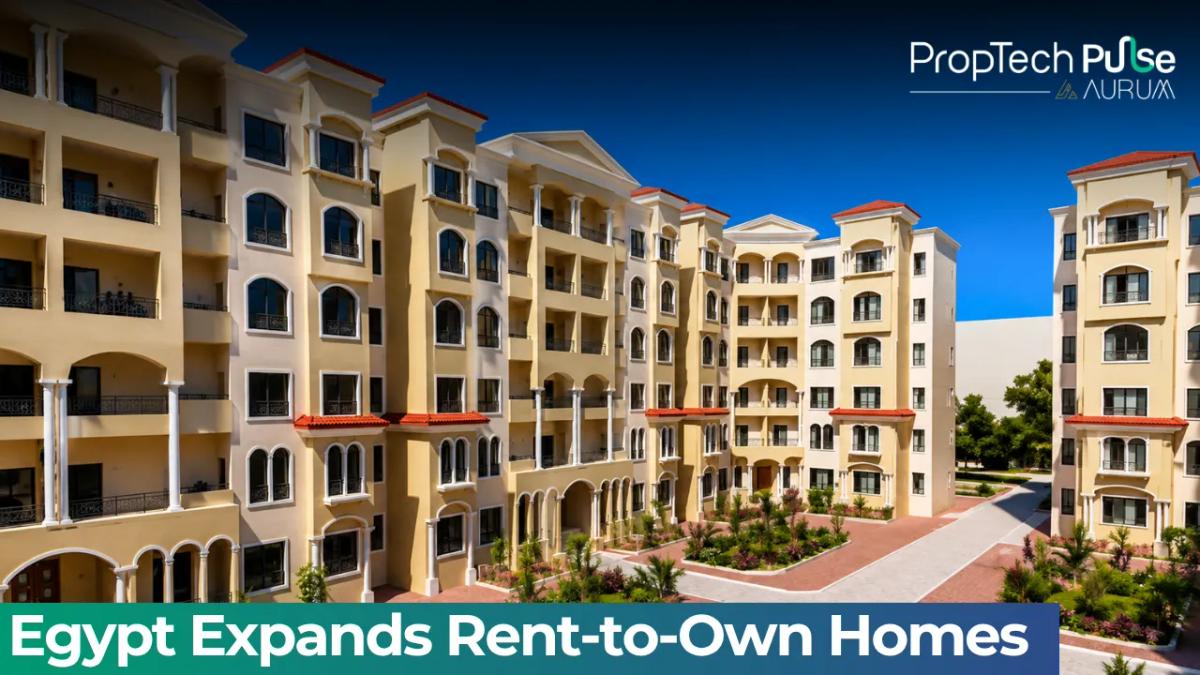
Egypt's Ministry of Housing, Utilities and Urban Communities is preparing to launch around 5,000 fully completed housing units under a rent-to-own scheme across 25 new cities, with the rollout expected within the next month.
Minister Randa El-Menshawy said the initiative reflects the ministry's strategy to introduce more flexible housing mechanisms alongside traditional homeownership programmes, offering solutions that better match the financial capabilities and social needs of different population segments.
For a country managing substantial housing demand across an expanding network of new cities, the scheme addresses two challenges at once: broadening access to housing and putting already-completed but unallocated stock to productive use.
How the Scheme Works
The decision to use fully completed units rather than off-plan stock is deliberate. It removes delivery risk for beneficiaries and allows the government to move quickly from announcement to handover, compressing the gap between application and occupancy. Key terms of the programme:
- Rent-to-own period: 20 years from the date of handover
- Monthly payments: rent plus maintenance fees in line with each project's payment system
- 5% of units reserved for persons with disabilities who meet eligibility criteria
- Applicant selection: public lottery to ensure transparency and equal opportunity
- Applications submitted based on the governorate listed on the applicant's national ID card
- Applicants whose governorates have no eligible units may apply for the nearest participating city
Deputy Minister for New Urban Communities Walid Abbas confirmed that the lottery system was specifically chosen to guarantee fairness across all applicants, regardless of location or background. Income limits, monthly rent figures, maintenance fees and full allocation conditions will be set out in an official terms and conditions booklet to be released ahead of the launch.
Who Can Apply
Eligibility criteria have been set to target first-time beneficiaries and working-age applicants. To qualify:
- Applicant must be between 21 and 45 years old
- Must be legally eligible to enter into contracts
- Neither the applicant, spouse nor minor children may have previously owned or been allocated a housing unit or land plot, whether subsidised or unsubsidised
Also Read: Egypt Approves TMG's 506-Feddan Spine Zone
A Broader Shift in Egypt's Housing Strategy
El-Menshawy described the programme as part of a wider vision to develop Egypt's rental housing system and maximise the utilisation of completed housing assets that might otherwise sit vacant.
The rent-to-own model sits between outright purchase and standard rental, giving lower-income households a structured pathway to eventual ownership without requiring the upfront capital that traditional purchase demands. It also creates a more predictable financial commitment than open-market renting, where renewal uncertainty can be a persistent pressure point for tenants.
Egypt's new cities network has grown significantly over recent years, with developments spanning multiple governorates across the country.
Distributing the 5,000 units across 25 of these cities rather than concentrating them in a handful of locations reflects an intent to spread housing access geographically, connecting beneficiaries to the infrastructure and employment opportunities that these urban developments are being built to support.
The programme's inclusion of a disability quota and its lottery-based selection also signal a deliberate effort to make the scheme demonstrably equitable rather than simply large in scale.
Enjoyed this update? Visit PropTech Pulse for more real estate news, investment insights and property market trends.


