New Launch - India Real Estate Report 2026.











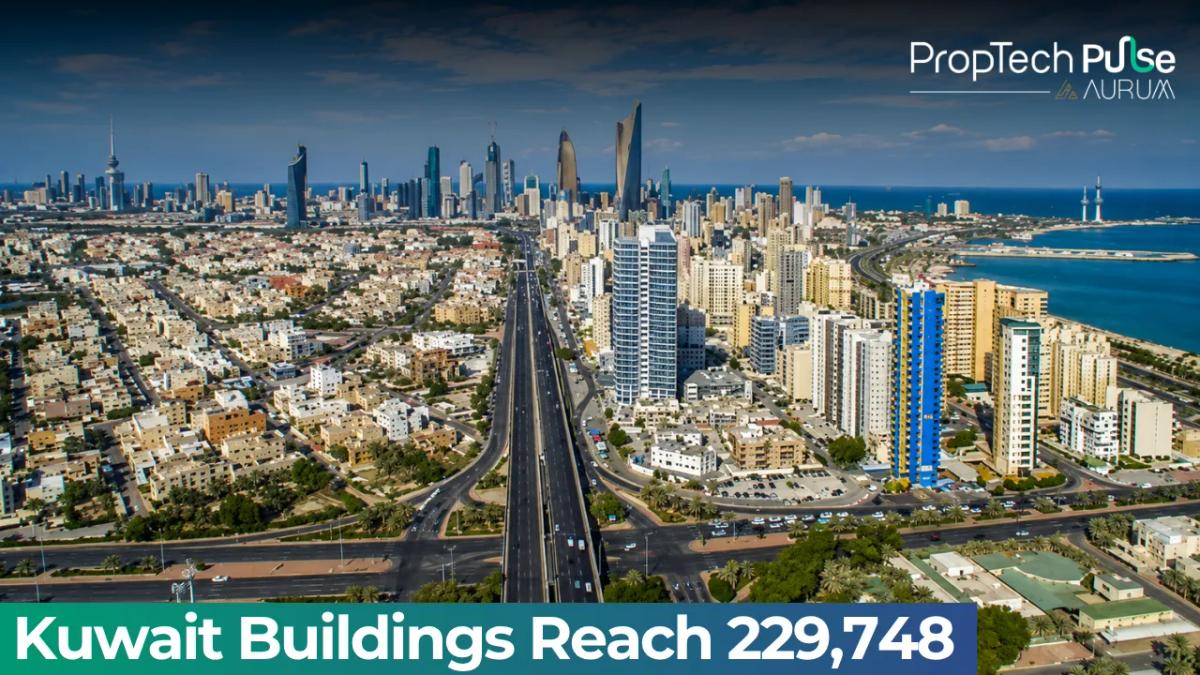
Kuwait's urban footprint continued to expand through the first half of 2026, with the country's total building stock reaching 229,748 structures, according to data from the Public Authority for Civil Information (PACI).
Residential properties remain the dominant force, accounting for nearly 64% of all buildings nationwide, a share that underscores how firmly housing sits at the centre of Kuwait's real estate story.
How the Building Stock Breaks Down
Of the 229,748 total buildings, the breakdown by type is as follows:
- Residential buildings: 146,800 units
- Mixed-use (residential and commercial): 41,400 buildings
- Business buildings: 13,700
- Vacant buildings: 17,500
- Other uses: 10,200
Within the residential category, private housing dominates, with 174,500 private homes registered across the country. Villas are by far the most common property type, with 157,900 recorded nationwide, followed by 16,400 houses, 2,813 chalets and 629 complexes.
Which Governorates Are Leading Growth
Al-Ahmadi Governorate recorded the highest building count nationally, with 52,400 structures accounting for around 23% of Kuwait's total stock. The full governorate breakdown:
- Al-Ahmadi: 52,400 buildings (highest villa count at 34,800)
- Al-Jahra: 46,900 buildings
- Al-Farwaniya: 35,900 buildings
- Hawalli: 34,300 buildings
- Capital Governorate: 33,600 buildings
- Mubarak Al-Kabeer: 26,300 buildings
Also Read: Kuwait Real Estate Sales Reach KD92.8M in Five Days
Hotels, Palaces and Public Infrastructure
The Capital Governorate leads Kuwait's hotel sector with 37 hotels, closely followed by Hawalli with 36. It also recorded the highest number of palaces at 29, ahead of Hawalli's 27.
Beyond residential and commercial stock, Kuwait's public infrastructure has grown alongside its urban expansion:
- Schools: 1,144
- Hospitals: 104
- Clinics: 115
- Mosques: 1,608
- Government buildings: 1,423
- Commercial buildings: 5,081
- Factories: 1,220
- Parks: 177
- Clubs: 101
- Farms: 6,971
The figures point to a real estate sector growing across every category simultaneously, with housing leading the charge but commercial, industrial and civic infrastructure expanding in step.
For a country managing sustained population growth and economic diversification ambitions, the PACI data offers a useful baseline for understanding where Kuwait's built environment currently stands and how much further it has to grow.
Enjoyed this update? Visit PropTech Pulse for more real estate news, investment insights and property market trends.