New Launch - India Real Estate Report 2026.

Services
Knowledge Hub
Resources
Tools

Ask Pulse Ai
Services
FOR BUYERS & RENTERS
FOR REAL ESTATE DEVELOPERS








Refer other Connectors &
Multiply IncomeRefer other Connectors
& Multiply Income
Refer KuberX & earn
commission on every
loan they get
disbursed.


Scan & Download
©PropTech Pulse 2025, All rights reserved.


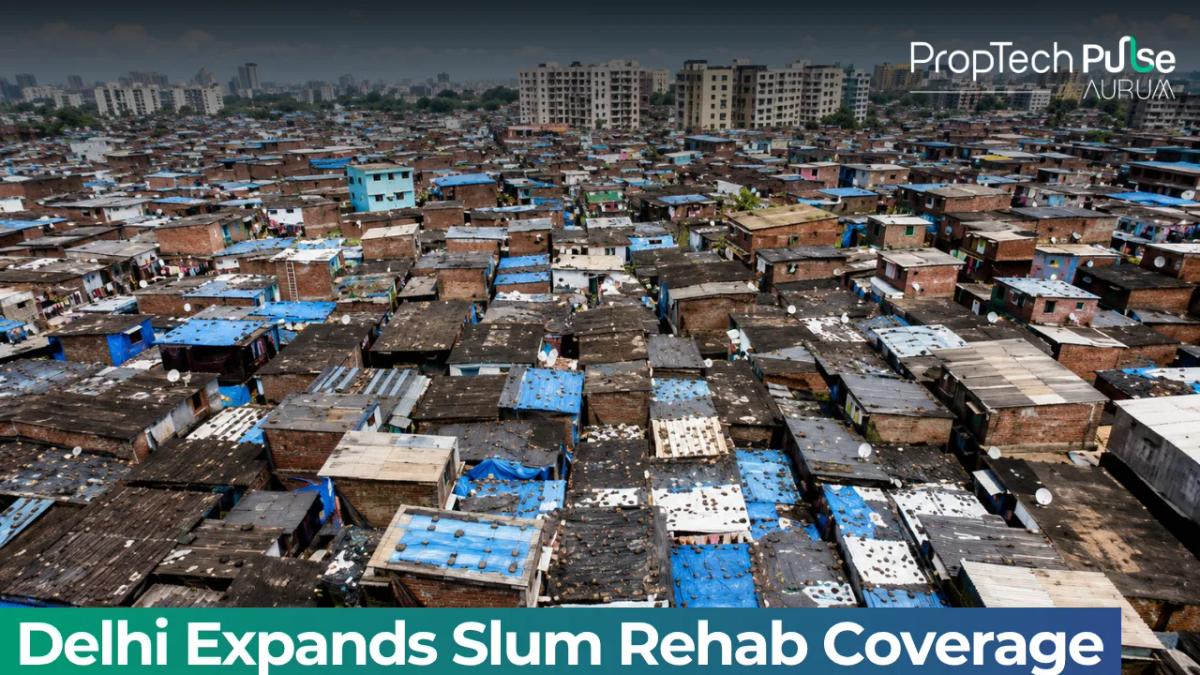
The Delhi government has extended the eligibility cut-off date for slum rehabilitation benefits to January 1, 2025, a move expected to benefit nearly 20 lakh residents living in informal settlements across the national capital.
The decision is aimed at expanding access to rehabilitation and housing benefits for a larger number of families who may have previously been excluded due to earlier eligibility conditions. The revised cut-off is expected to strengthen ongoing efforts to improve housing conditions and support more inclusive urban development in Delhi.
What The New Policy Means
The revised eligibility deadline means that residents who can establish their presence in eligible slum settlements up to January 1, 2025, may now qualify for rehabilitation benefits under government-supported housing programmes.
The move significantly widens the pool of beneficiaries and is expected to help thousands of families secure access to formal housing and improved living conditions. It also reflects the government's focus on ensuring that more vulnerable households are included in redevelopment and rehabilitation initiatives.
Why The Extension Is Important
Housing remains a major urban challenge in Delhi due to rapid population growth and increasing migration to the city. Many residents continue to live in informal settlements that often lack adequate infrastructure, sanitation and access to public services.
By extending the eligibility cut-off date, authorities aim to address housing needs more effectively and ensure that rehabilitation programmes cover a larger segment of the population. The decision could help reduce housing insecurity and improve living standards for affected families.
Impact On Slum Redevelopment Efforts
Delhi's slum rehabilitation programmes are designed to replace informal housing with safer and better-planned residential developments. These initiatives typically provide beneficiaries with access to formal housing units and improved civic infrastructure.
Expanding eligibility could accelerate redevelopment efforts by bringing more residents into the rehabilitation framework. It may also help authorities achieve broader urban renewal goals while promoting social inclusion and community development.
Benefits For Residents And The City
The policy change is expected to provide long-term benefits for both residents and the city. Access to formal housing can improve quality of life, enhance safety and provide better access to education, healthcare and public services.
For Delhi, successful rehabilitation programmes can contribute to planned urban growth, improved infrastructure management and better utilisation of land resources. Housing upgrades can also support environmental improvements and strengthen overall urban resilience.
Key Highlights
- The Delhi government has extended the slum rehabilitation eligibility cut-off date.
- January 1, 2025 is the new eligibility deadline for beneficiaries.
- 20 lakh residents are expected to benefit from the decision.
- The revised eligibility deadline expands access to housing and rehabilitation schemes.
- Delhi's slum rehabilitation programmes aim to improve living conditions and support urban redevelopment.
The extension of the eligibility cut-off date marks an important step in Delhi's efforts to provide better housing opportunities for vulnerable communities. By bringing more residents under the rehabilitation framework, the policy is expected to support inclusive urban development and improve living conditions for millions of people across the city.
Enjoyed this update? Visit PropTech Pulse for more real estate news, investment insights, and property market trends.


