

©PropTech Pulse 2025, All rights reserved.

What is an Area Statement?
An area statement is a detailed document that breaks down the different measured areas of a property, including carpet area, built-up area, and super built-up area, along with common facilities included in the calculation. It provides transparency into exactly how a property's total quoted size is derived.
Components of an Area Statement
- Carpet area refers to the actual usable floor space within the walls of a unit, excluding common areas.
- Built-up area adds the thickness of walls and balconies to the carpet area for a slightly larger figure.
- Super built-up area further includes a proportional share of common spaces like lobbies, corridors, and amenities.
Why Area Statements Matter to Buyers
- They help buyers understand exactly what they are paying for, since pricing is often based on super built-up area.
- Comparing area statements across projects reveals differences in loading factors and true usable space value.
- Discrepancies between advertised area and actual measured area can indicate potential misrepresentation by a developer.
How to Use an Area Statement Effectively
- Always request a certified area statement alongside floor plans before signing a purchase agreement.
- Cross-check the stated carpet area against physical measurements where possible before finalizing a deal.
- Use the area breakdown to calculate a more accurate price per usable square foot for comparison purposes.
An area statement brings clarity to one of the most confusing aspects of property transactions: how total size is measured and priced. Reviewing it carefully helps buyers make accurate comparisons and avoid overpaying for space they cannot fully use.
Insight Pulse
Uncategorized
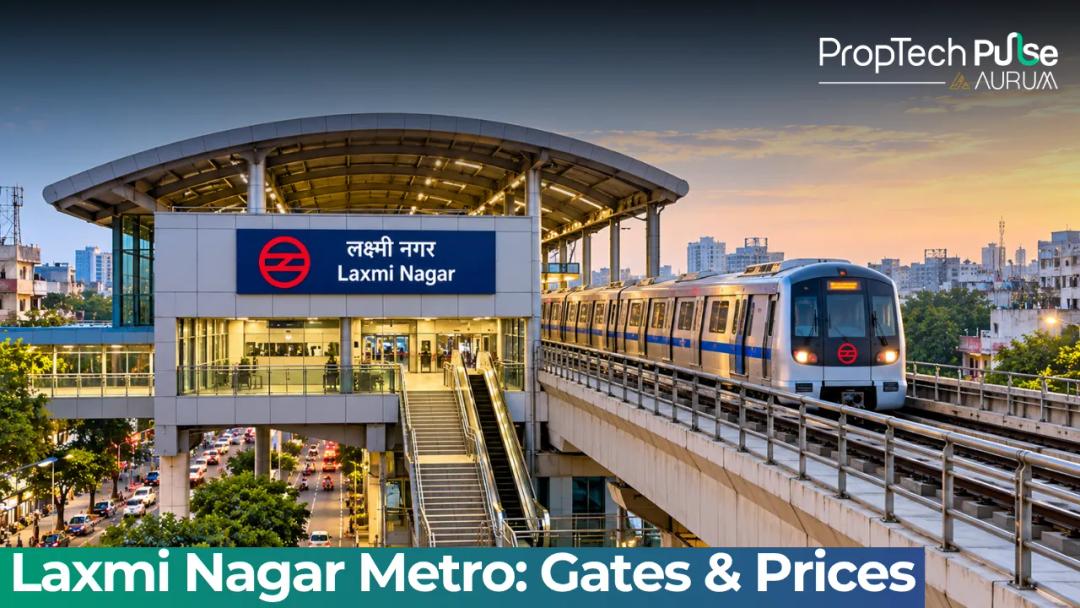
Laxmi Nagar Metro Station: Timings, Gates & Property Prices
Navigating East Delhi efficiently starts with understanding the layout of Laxmi Nagar metro station, especially if you are commuting daily or evaluating a property buy. Every metre counts when you are carrying groceries or racing against a departing train. Knowing exactly which exit gate drops you closest to your destination matters more than glancing at a generic transit map. Most guides stop at basic operating hours and vague price brackets. This post maps every exit gate to its immediate street landmark, from Patel Hospital to the local shops, and breaks down housing costs using per-square-foot metrics rather than total caps. These ground-level details explain the layout of Laxmi Nagar Delhi. Whether you are commuting to an office in Central Delhi or evaluating rental yields in Geeta Colony, the specifics clarify what living near this station actually entails. In this guide Where is Laxmi Nagar Metro Station Located? Laxmi Nagar Metro Train Timings (First and Last Train) How to Reach Laxmi Nagar Market and Key Landmarks Laxmi Nagar Metro Station Facilities Residential Localities Near Laxmi Nagar Metro Frequently asked questions Where is Laxmi Nagar Metro Station Located? Quick answer Laxmi Nagar metro station operates on the Blue Line in East Delhi, connecting Dwarka Sector 21 and Vaishali. First trains depart at 05:55 AM, and the last train leaves around 11:20 PM. Exit Gate 2 leads directly to Laxmi Nagar market, while Gate 3 provides immediate access to Patel Hospital. The station anchors the centre of Laxmi Nagar Delhi, right next to the sprawling Laxmi Nagar Market. Built on raised tracks above the road, the Blue Line station connects the western suburbs like Rajouri Garden and Dwarka directly to the eastern terminals. The station was inaugurated on 6 January 2010 and handles significant foot traffic throughout the day. Lines, Nearest Stations, and Connectivity On the Blue Line network, Laxmi Nagar metro sits between Yamuna Bank on the western approach and Nirman Vihar on the eastern stretch. Traveling west towards the city center, the next major interchange hubs are Rajouri Garden and Dhaula Kuan before reaching the Dwarka Sector 21 terminus. Heading east, passengers reach Shakti Nagar and finally Vaishali. This positioning makes it a highly functional midpoint for commuters crossing the entire breadth of the capital. Laxmi Nagar Metro Train Timings (First and Last Train) Commuters planning their journeys need precise departure times because the first and last trains run in opposite directions depending on whether you are heading west or east. While aggregated schedules sometimes vary slightly across aggregator platforms, official Delhi Metro Rail Corporation operations typically follow this structure: Laxmi Nagar Metro Train Departures and Arrivals Direction First Train Departure Last Train Departure Towards Dwarka Sector 21 05:55 AM 11:20 PM Towards Vaishali 05:57 AM 11:25 PM To catch the last connection during evening shifts, verify the exact departure time against the live DMRC app. Seasonal schedule adjustments happen often enough to require a quick check before heading out. How to Reach Laxmi Nagar Market and Key Landmarks (Exit Gate Guide) Walking the ground level at this station requires paying attention to the numbered exits. Every gate drops you at a different street corner, hospital, or commercial block. Using the wrong gate can add extra walking time or put you at the far end of the busy commercial strip. Gate 1: Reaching D Block and CGHS Dispensary Gate 1 drops you directly into D Block, putting the CGHS Dispensary and surrounding residential lanes right at your doorstep. This is the cleanest route if you are visiting residents in the northern portion of the market area or heading towards the Shakarpur side via the main road. Gate 2: Heading to Shakarpur and Laxmi Nagar Market This exit faces the densest part of the commercial belt known locally as Laxmi Nagar market. If your destination involves shopping at the stalls, accessing local eateries, or grabbing a taxi to Shakarpur, Gate 2 provides the shortest path straight onto the main shopping strip. You will find the flow of shoppers peaking here well past noon. Gate 3 & 4: Getting to Patel Hospital and Educational Institutes Patel Hospital, a major private medical facility serving East Delhi, is accessible via Gate 3. If you are dealing with an emergency or carrying patients to consultations, this is the only exit that matters. Gate 4 often sees heavy foot traffic from students visiting the cluster of educational institutes located along the connecting lanes. Laxmi Nagar Metro Station Facilities The station is equipped with standard modern amenities required for a high-capacity hub. Smart card ticketing systems handle automated purchases, while ATMs sit near Gate 5 for commuters withdrawing cash before tapping in. Wheelchair accessibility works smoothly with elevators covering the vertical distance between the street and the concourse levels. Separate sections cover dedicated washrooms and waiting areas to manage the peak rush hour crowds. Drivers can park vehicles in designated slots outside the compound walls. Residential Localities Near Laxmi Nagar Metro Investors seeking homes accessible via Laxmi Nagar metro focus on three adjacent neighbourhoods: Priyadarshini Vihar, Shakarpur, and Geeta Colony. Priyadarshini Vihar mixes flat complexes with row houses at moderate price points. The value here sits in the proximity to the metro without the noise pollution of the main market road. Shakarpur is the higher-density residential zone. Newer high-rises join older bungalows, keeping market rates steady. Rental demand stays strong due to working professionals seeking short commutes. Geeta Colony lies roughly three kilometres east of the station but falls within the broader catchment. The market has matured significantly here. Buyers should check the carpet area of units, as older buildings often carry higher super-built-up ratios. You can track shifting market values using our rates and trends tool to compare current listings against historical averages in these specific lanes. Evaluating the cost of living near transit? Our guide on how proximity to a metro station affects apartment pricing outlines the premium buyers typically pay. Check out the Yamuna Viyar area guide or the Nirman Vihar locality guide to see how adjacent stations are developing in tandem. Before You Commit or Commute Daily Deciding to live near Laxmi Nagar depends entirely on whether you prioritise commercial convenience over absolute quiet. If your routine relies on stepping out of the metro and walking to work within five minutes, the location delivers perfectly. For pure residential investment, older properties in Priyadarshini Vihar offer steadier rental floors, while Geeta Colony commands higher resale ceilings. Pick a lane, verify the encumbrance records early, and anchor your decision to verified floor-space rates rather than total project costs. Frequently asked questions What is the first and last metro time at Laxmi Nagar? Trains towards Dwarka Sector 21 begin at 05:55 AM and conclude at 11:20 PM, while services running towards Vaishali start slightly later at 05:57 AM and finish at 11:25 PM. Because these times shift seasonally or during special events, always confirm the latest schedule through the official DMRC mobile application before your morning commute or late-night return trip. Which gate at Laxmi Nagar metro leads to Patel Hospital? Gate 3 is the direct and fastest exit for anyone needing to reach Patel Hospital quickly. The ramp and elevator from this specific gate deposit you almost directly onto the hospital driveway, which saves considerable walking distance compared to exiting at Gate 2 or Gate 1. If you are transporting someone who requires a wheelchair, request assistance from the station staff at Gate 3 beforehand to ensure the lift is operational. Is there paid parking at Laxmi Nagar metro station? Yes, the station management has allocated designated spots for cars and two-wheelers just outside the main boundary walls. These slots operate on a paid basis, with rates set according to current urban transit authority guidelines. You should arrive slightly earlier during peak festival seasons when the adjacent market draws heavy traffic, as those outer parking zones tend to fill up rapidly by late afternoon. How far is Laxmi Nagar metro from Connaught Place? You can reach the central business district in approximately forty to fifty minutes, starting with a twenty-five-minute ride on the Blue Line towards Rajouri Garden. From there, transferring to the Red or Purple Line adds another fifteen to twenty minutes until you arrive at the CP Metro station. Rush hour congestion at major intersections can occasionally stretch this timeline, so plan your meeting buffer accordingly. What amenities are available inside the station concourse? Passengers will find fully functional smart card readers and token vending machines to purchase tickets instantly. ATMs stand ready near Gate 5 for cash withdrawals before tapping in, while dedicated washrooms and seating areas help manage crowds during the busiest morning and evening peaks. Elevators provide full wheelchair access, making the walk up to the upper platform completely barrier-free for everyone traveling through this busy East Delhi node. Sources Delhi Metro Rail Corporation: Operating year and station connectivity details (accessed October 2026). Enjoyed this blog article? Visit PropTech Pulse for more interesting blogs.

PropTech Pulse Editorial
31st October 2026
Uncategorized
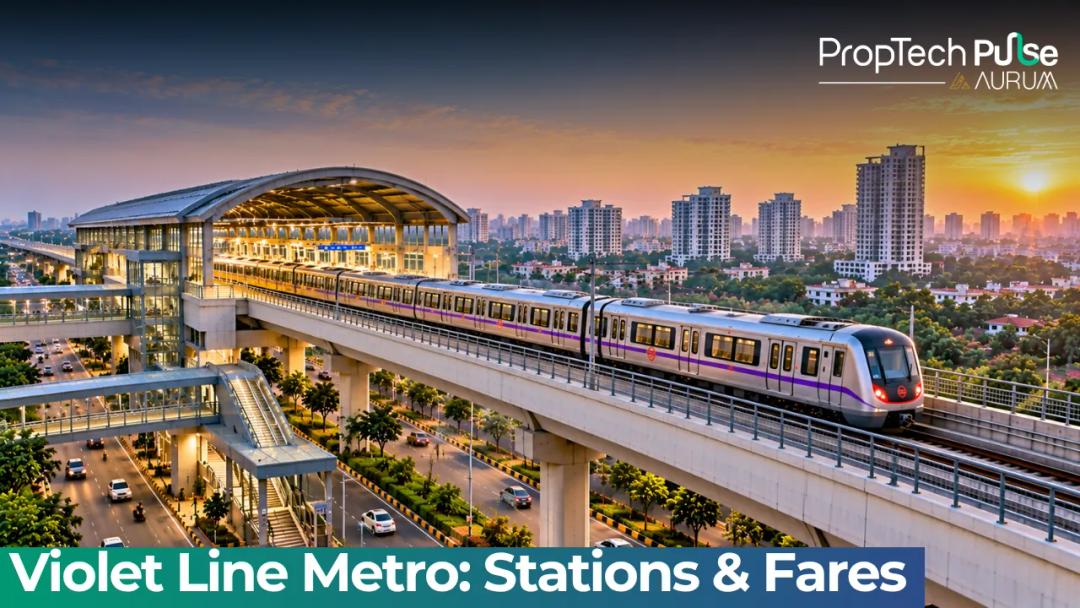
Delhi Metro Violet Line: Stations, Fares & Timings 2026
The violet line metro route stretches 46.3 kilometres from Kashmere Gate in central Delhi to Raja Nahar Singh in Faridabad. It serves a massive daily ridership and bridges the capital directly with Haryana. The corridor also quietly dictates property valuations across South Faridabad. Most transit guides stop at a static map, but the practical violet line metro route demands attention to schedule quirks and zone transitions. Commuters need to know how often trains actually run after entering the Haryana zone. Buyers want to see where fares cap out. Investors watch which sectors get priced up next when the Jewar airport link finally breaks ground. In this guide Violet Line Metro Stations Timings, Frequency & Peak Hour Strategy Working Out the Metro Fare for Common Routes Key Interchange Points Jewar Airport Extension & Faridabad Real Estate Smart Buying Rules for the Corridor Frequently asked questions Violet Line Metro Stations Quick answer The Delhi metro violet line connects Kashmere Gate to Raja Nahar Singh in Faridabad. It covers 34 stations over 46.3 km, operates between 6 AM and 11:35 PM on weekdays, and charges a minimum fare of ₹10 rising to ₹60 for the full stretch. The line offers direct interchanges to the Red, Blue, Yellow, Magenta, and Pink networks. Below is the complete sequential list of violet line metro stations from the northern terminus to the southern end in Haryana. Delhi metro violet line stations list with interchange lines Station District / State Interchange Lines Kashmere GateCentral Delhi, DelhiRed Line ISBT Kashmiri GateNorth Delhi, DelhiNone Shastri ParkNorth Delhi, DelhiNone Shaheed Nagar (H.No 48)Dwarka, DelhiNone Mansarovar ParkDwarka, DelhiNone Vivek ViharGhaziabad, UPNone Seelam PurGhaziabad, UPNone Mangat PuriGhaziabad, UPNone Noida ChowkGautam Buddh Nagar, UPNone Botanical GardenGautam Buddh Nagar, UPPink Line VaishaliGautam Buddh Nagar, UPNone KaushambiGautam Buddh Nagar, UPNone Anand ViharEast Delhi, DelhiNone MadangirSouth West Delhi, DelhiNone SaraiSouth Delhi, DelhiNone Nehru PlaceSouth Delhi, DelhiPink Line Govind PuriSouth East Delhi, DelhiNone BadarpurSouth East Delhi, DelhiMagenta Line SaketSouth Delhi, DelhiNone Green ParkSouth Delhi, DelhiMagenta Line Hauz KhasSouth Delhi, DelhiMagenta Line AIIMSSouth Delhi, DelhiNone QutabSouth East Delhi, DelhiBlue Line Chhatipur MalakhelaSouth East Delhi, DelhiNone Arunachal EnclaveSouth East Delhi, DelhiNone Lado SaraiSouth East Delhi, DelhiNone Chatta Lal QilaJhajjara, HaryanaNone Shiv ViharJhajjara, HaryanaYellow Line DharampuraBallabhgarh, HaryanaNone Bhavbhuti Guru MargBallabhgarh, HaryanaNone JLN StadiumBallabhgarh, HaryanaNone Haryana Vidhan SabhaBallabhgarh, HaryanaNone NHPC ChowkBallabhgarh, HaryanaNone Raja Nahar SinghBallabhgarh, HaryanaNone Timings, Frequency & Peak Hour Strategy Service hours shift depending on the day and the zone. Weekday operations run from 6:00 AM to 11:35 PM. On Sundays, the first train pushes back to 4:00 AM, making weekend market trips or site visits significantly easier. The real friction happens underground and above ground. In the core Delhi section, particularly between Kashmere Gate and Nehru Place, headways are tight. Trains typically arrive every 3 to 5 minutes during morning rush. Once the line crosses Badarpur and enters the Haryana stretch towards Raja Nahar Singh, the schedule thins out. Expect intervals to stretch to 7 or 10 minutes during mid-morning and late afternoon windows. If you work at Nehru Place or Sarai, you face heavy transfer crowds regardless of the clock. The magenta and pink lines merge their foot traffic directly onto the violet line platforms here. Arriving 15 minutes earlier than the absolute peak usually means finding a seat. Leaving 10 minutes past the hour gives you breathing room on the escalators. Peak warning Between 8:15 AM and 9:00 AM, the platform congestion at Nehru Place and Govind Puri exceeds capacity. If you live beyond Ballabhgarh, consider boarding at the originating stations to guarantee a seat for your commute into the city. This frequency rule applies strictly to commercial services. Night shifts often miss the last connections back into Ghaziabad or West Delhi. Always keep a backup ride-share app loaded if you finish work past 10:30 PM near Botanical Garden. Weekend schedules also differ slightly on major public holidays. DMRC usually runs special trains for festivals or cricket matches. Check the official DMRC Twitter handle before planning a late return trip. The last train might get pushed back by fifteen minutes, but the gap between services stays wide. Working Out the Metro Fare for Common Routes Fares follow a distance-based slab system administered by the Delhi Metro Rail Corporation along this entire violet line metro route. The floor ticket sits at ₹10 for the shortest hops, such as Kashmere Gate to Lal Qila. The ceiling charge sits at ₹60 for traversing the entire corridor from the start to Raja Nahar Singh. There are no hidden charges for the Delhi-to-Haryana switch, unlike older railway services. You can tap your card at the entry gate and walk straight through to any station within that distance bracket without paying again. Smart cards save roughly ten percent compared to paper tokens. Corporate pass holders enjoy deeper discounts but need to register their passes monthly on the DMRC website. Planning a relocation along the southern stretch? A ₹60 daily cap might look manageable, but factor it into your wider transport budget. Before you commit to a sector price, plug your expected monthly commute spend and current salary into a home loan EMI calculator to see how much borrowing power remains intact. Fare matrix: estimated costs for typical cross-section journeys on the violet line Origin Destination Approximate Fare Kashmere GateLal Qila₹10 Kashmere GateAnand Vihar₹30 Kashmere GateNehru Place₹40 Kashmere GateJLN Stadium₹50 Kashmere GateRaja Nahar Singh (Ballabhgarh)₹60 Students and senior citizens get concessional fares, but only for travel within Delhi limits. Crossing into Faridabad triggers full adult rates instantly. Carry valid ID proofs just in case field staff question the card swipe at Raja Nahar Singh exit gates. Key Interchange Points Understanding the wider network requires mapping how the violet line metro route intersects with the capital’s six operational corridors. Transfers on the violet line require zero extra payment. All designated interchange stations share common concourses or direct walkway links. You tap your card once entering the network, and staying within the system until you reach your interchange gate does not trigger a fresh fare deduction. For corporate commuters, the yellow line swap at Shiv Vihar is the fastest escape toward Gurgaon and Dwarka. The magenta junctions at Badarpur, Green Park, and Hauz Khas dump hundreds of passengers onto violet line platforms simultaneously. The pink line intersections at Botanical Garden and Nehru Place pull heavy residential footfall straight into commercial hubs. Navigation signage generally works well, but the sprawling layout at Anand Vihar can confuse first-time users. Follow the overhead blue arrows strictly if you need the bus terminal or the railway platform shortcut. Taking the wrong escalator adds twenty minutes to your transfer time. The interchange at Qutab Enclave deserves specific mention. It links directly to the Blue Line's southern branch. This connection saves commuters from travelling all the way back to Rajouri Garden or Old Delhi Railway Station if they need to cross to west Delhi. Jewar Airport Extension & Faridabad Real Estate Speculation around the violet line rarely stays contained within existing boundaries. The latest phase planning targets a 24-kilometre extension reaching from the current terminus at Raja Nahar Singh to the Noida International Airport at Jewar. Roughly 10 new stations dot this proposed alignment. The capital estimate hovers near ₹4,320 crore, pending final environmental clearances and land acquisition timelines. Property markets move ahead of construction cranes. Sectors clustered around Neelam Chowk, Sector 28, and the old Delhi-Mathura highway frontage have already seen premium pricing on plots. Ballabhgarh itself is absorbing spillover demand because buyers treat the existing metro proximity as a guaranteed liquidity floor for resale later. Evaluate any pre-launch inventory against the broader infrastructure pipeline. A plot sounds cheap until you factor in local municipal levies. Run the transaction costs through a stamp duty calculator specific to Haryana before signing a token agreement. Simultaneously, cross-check every developer's permit using a builders in Faridabad tracker or the regional registration portal to confirm valid building approvals. Delayed OCs sink returns faster than empty promises, so verify active project compliance with a Delhi RERA project verification report before handing over advance money. Focus your search on completed societies where rental yields beat bank fixed deposits, even before the airport extension officially opens. Investment tip Avoid buying solely on the promise of a future station name change. Focus on locations sitting within a one-kilometre radius of the current Raja Nahar Singh node, where daily rental yields actually exist today while the airport line matures. Smart Buying Rules for the Corridor Buy the property closest to the existing terminal first, then scale outward as planners map the extended violet line metro route. Rental demand in Faridabad reacts immediately to metro proximity, whereas appreciation driven by airport connectivity takes four to six years to crystallise into rentable square footage. Stick to RERA-approved societies with clear encumbrance certificates, and never skip the soil test report if you are purchasing land rather than a flat. Transit premiums are real, but they punish buyers who ignore basic due diligence. Track the state government's official development plans alongside the DMRC updates. Political shifts occasionally pause or redirect large infrastructure projects. Verify every zoning change through the local municipal corporation office before trusting builder brochures. Money tied up in unapproved plots drags down overall portfolio performance. Frequently asked questions What are all the violet line metro stations in Delhi? The route contains thirty-four stations stretching from Kashmere Gate in central Delhi down to Raja Nahar Singh in Faridabad. Core stops include Noida Chowk, Botanical Garden, Anand Vihar, Nehru Place, Saket, Green Park, Hauz Khas, and Qutab Enclave before crossing into Haryana at Shiv Vihar and Ballabhgarh. How much is the fare from Kashmere Gate to Raja Nahar Singh? Travelling the full 46-kilometre span costs a flat sixty rupees. The system uses distance-based slabs starting at ten rupees for the shortest hop, climbing steadily until you reach the southern terminus. Transfer charges do not apply at interchange points. When do the first and last trains run on the violet line? Weekend service starts earlier, with the first departure hitting the track at four o'clock in the morning. Regular weekday operations begin at six AM and push the final outgoing train out at eleven-thirty PM. Check the official app for minor holiday shifts. Which stations offer interchanges to the Blue, Yellow, and Magenta lines? You can switch to the Blue Line directly at Qutab Enclave. The Yellow Line connection sits at Shiv Vihar in Haryana. Three separate hubs feed into the Magenta network, located at Badarpur, Green Park, and Hauz Khas. Pink Line swaps are available at Botanical Garden and Nehru Place. Will the violet line metro connect to Jewar Airport? Phase four plans outline a twenty-four kilometre extension reaching the Noida International Airport at Jewar. Ten additional stops are currently under feasibility review. Construction timelines depend on land acquisition completion, so direct service likely remains two to three years away. Sources DMRC Official Portal: Operational timings, distance metrics, and terminal details (accessed October 2026) Central Board of Indirect Taxes and Customs: GST applicability on off-site amenities (accessed October 2026) Enjoyed this blog article? Visit PropTech Pulse for more interesting blogs.
PropTech Pulse Editorial
31st October 2026
Uncategorized
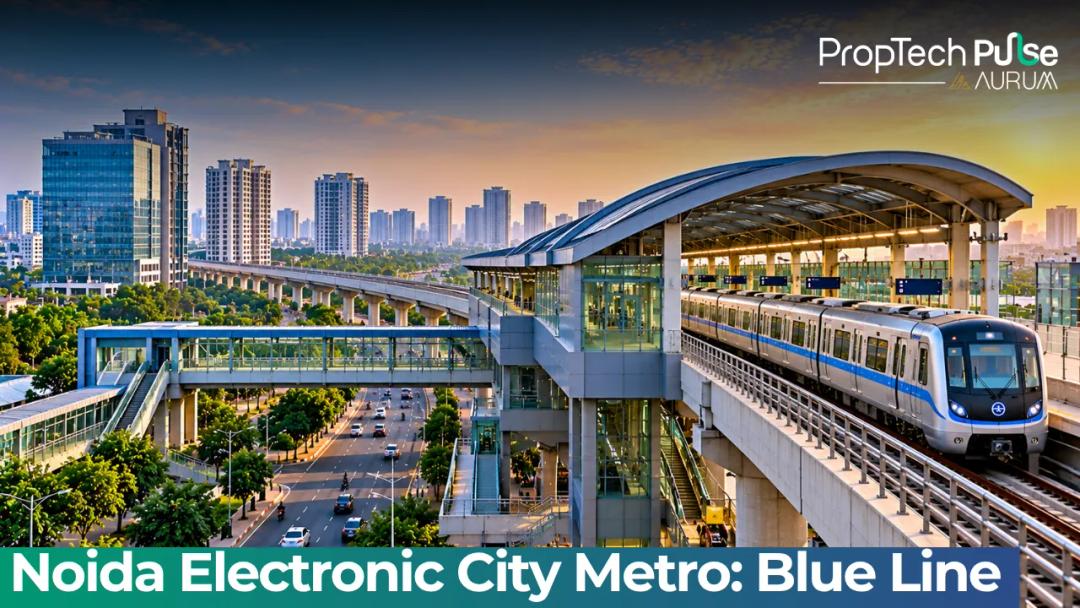
Noida Electronic City Metro Station: Blue Line Guide
Your commute from Sectors 62, 63, or 64 funnels through one exact stop: the noida electronic city metro station. Living near Highway Tower or I-Thumb means relying heavily on this Blue Line terminal. It connects your IT workplace directly to Vaishali and eventually New Delhi's central hubs like Rajiv Chowk and Dwarka. Getting the station layout right saves time during peak hours, while knowing the fare structure and upcoming Phase 5 changes protects both your commute budget and your property value. In this guide Station Layout and Blue Line Connectivity Noida Electronic City Metro Station Timings Exit Gates Mapped to Landmarks and Offices Metro Fares, Smart Cards and Off-Peak Savings Park & Ride and Accessibility Features Delhi Metro Phase 5: The Sahibabad Extension Roadmap What to Decide Next Frequently asked questions Station Layout and Blue Line Connectivity This station marks the end of the line heading toward Vaishali. Because it is a terminus, the track layout requires three separate platforms under one raised structure. This terminal opened in 2019 and continues to handle thousands of daily riders. Platform 1 handles inbound trains moving toward Vaishali and Delhi Cantonment. Platforms 2 and 3 handle outbound trains bound for Dwarka. Trains arrive here frequently, pause briefly for crew swaps, and depart almost continuously during the morning rush. Finding an empty seat depends less on the printed schedule and more on which platform you enter first. Platform allocation at Noida Electronic City (NECC) Platform Direction / Destination Platform 1 Inbound: Vaishali, Delhi Cantonment, Kashmere Gate Platform 2 Outbound: Dwarka, Dwarka Sector 21 Platform 3 Outbound: Dwarka, Dwarka Sector 21 Noida Electronic City Metro Station Timings Quick answer The first train at Noida Electronic City metro station departs around 05:30 AM towards Vaishali and 05:45 AM towards Dwarka. The last trains leave between 11:00 PM and 11:12 PM depending on the direction. During peak office hours, trains run every 4 to 6 minutes. Morning headways tighten as the shift change begins at 8 AM. Standing room only kicks in if you miss two consecutive arrivals. Evening crowds swell sharply after 6:30 PM as staff spill out of the tech parks. If your office finishes late, check the daily timetable because Sunday and holiday schedules sometimes adjust the final departure by 15 minutes. Timing tip: Arrive 10 minutes before the posted last train time. Once the doors close, they rarely reopen, even for staff who are already waiting on the escalator. Exit Gates Mapped to Landmarks and Offices Commuters waste time wandering outside if they step out on the wrong gate. Three exit points dump passengers within comfortable walking distance of specific corporate buildings and residential clusters. Cutting through the crowded lanes between the IT towers and the residential blocks demands knowing where foot traffic piles up so you can sidestep the bottlenecks on the service road. Noida Electronic City metro station exit map and nearby landmarks Exit Gate Best For / Nearby Buildings Gate 1 Parking lot access, Divyang-friendly ramps, nearest bus routes Gate 2 Highway Tower, Graphics Tower, I-Thumb Tower, HDFC Bank, Ginger Hotel Gate 3 H-Block business district, Sector 63 residential towers, retail plaza Residents of Sectors 62 usually pick Gate 3. The pedestrian bridge cuts straight across to avoid the noisy service road. Gate 2 works better if your office sits inside Highway Tower or I-Thumb. Those buildings pack in large multinational teams on every floor. For newer blocks in Sector 63, just cut through the local market off Gate 3. The walk clocks in at eight minutes flat. Metro Fares, Smart Cards and Off-Peak Savings Daily commuters pay different rates depending on whether they tap a plastic Smart Card or buy cashless UPI tickets. The base fares stretch from ₹11 for the shortest hop inside the zone up to ₹64 for longer rides beyond thirty-two kilometers. Noida Electronic City metro station fare slabs (one-way) Distance Regular Cash/UPI Smart Card Discounted Up to 2 km ₹11 ₹10 2 to 8 km ₹15 ₹13 8 to 16 km ₹24 ₹21 16 to 32 km ₹36 ₹33 Above 32 km ₹64 ₹58 The Smart Card takes an automatic ten percent off every trip. Many office-goers miss a trick worth twenty percent more savings: travel outside the standard 8 AM to 10 AM and 5 PM to 7:30 PM rush windows. This off-peak window exists specifically to spread crowd pressure across the day. You ride from NECC to Rajiv Chowk (roughly 28 km) every working day. A standard monthly pass costs around ₹3,600 using cash-based tickets. Switching to a Smart Card brings that down to ₹3,240. Take the 10:15 AM or 2:00 PM shifts to avoid queues, and the off-peak bonus cuts your bill further to roughly ₹2,592. That is nearly ₹1,000 saved every month just by shifting your clock. To understand how transit projects shape long-term rental demand across the capital region, see our breakdown of transit-led neighborhood growth here. Park & Ride and Accessibility Features Dedicated parking sits right at the station for drivers who prefer to cover part of the route by car. You get space for 150 cars, 300 two-wheelers, and ten bicycle slots. Lines form early for those spaces. Gate 1 feeds straight onto the Expressway service roads, making it the fastest entry point. The full raised platform handles heavy foot traffic while keeping access simple. Escalators run alongside every staircase. Elevators cater to wheelchairs, prams, and passengers carrying heavy luggage. Signage for Divyang-friendly routes sits clearly above the entrance turnstiles, guiding users smoothly through the automated ticket barriers. Delhi Metro Phase 5: The Sahibabad Extension Roadmap DMRC plans a major network overhaul over the next ten years. One extension changes the game for western Noida buyers: a 5.1 km track running from this Blue Line terminus straight to Sahibabad. The line cuts through Indirapuram and Shakti Khand, stitching the eastern suburbs back into the same rail spine serving Western Noida today. Property takeaway: When Phase 5 opens, the SECC bubble becomes the middle ring of a much larger commuter circle. Investors buying near Sector 62 should expect stronger appreciation as cross-town journeys become viable without relying on crowded bus shuttles. Traffic bottlenecks on the Noida-Greater Noida Expressway force many employers to fund their own bus fleets right now. A direct rail connection eliminates that dependency completely. Watch funding announcements from the Uttar Pradesh government when tracking long-term asset growth. Construction timelines lock in the moment the allocated budget appears in public records. Phase 5 corridor stops (planned route from Noida SECC to Sahibabad) Planned Stop Name Nearest Local Hub Noida Electronic City (Existing Terminus) Sectors 62–64, IT Parks New Industrial Area Station F-Block / G-Block warehouses Kasna / Crossroads Junction Residential clusters in Eastern Noida Indirapuram / Agwal Colony Shopping malls, educational institutes Shakti Khand Sector 1, Ghaziabad (Transit hub) Vasundhara Sector 7 Local commercial market Sahibabad Railway Station Inter-city rail connection point See how metro expansion historically reshaped housing prices in surrounding micro-markets here, and explore the analytics behind transit-driven valuation spikes here. What to decide next If you are renting, prioritize flats within a seven-minute walk of Gate 2 or Gate 3 so the daily trek stays bearable during monsoon showers. Proximity to the noida electronic city metro station keeps rent premiums manageable when travel costs spike. Owners holding property should wait until Phase 5 breaks ground publicly. Property premiums often jump twelve to fifteen percent between tender issuance and pile driving. Check the latest UP government notifications or contact your local municipal office for precise update tracking. Frequently asked questions What is the last metro timing at Noida Electronic City? Departure times shift slightly, but the final train leaves around 23:00 for Vaishali and 23:12 for Dwarka. These times apply on regular weekdays, though Sunday services sometimes trim the last slot to 22:45. Always verify the exact closing hour on the day you travel, because special events or maintenance work can trigger overnight closures. Which metro line connects to Noida Electronic City? Located on the Blue Line of the Delhi Metro system, it acts as the western terminus. From here, trains run eastward past Vaishali and Kashmere Gate all the way to New Delhi's center, and westward along the branch tracks toward Dwarka. Passengers switching from the Aqua Line or Noida Metro transfer at Noida Civic Center or Sector 18 rather than here. How to reach Noida Sector 62 from Noida Electronic City metro? Walk straight through Gate 3 and cross the designated footpath bridge that leads directly into the Sector 62 residential grid. The walk takes roughly eight minutes and skips the noisy service road entirely. If you prefer stepping off at Gate 2, board one of the frequent feeder buses that circle the H-Block district before dropping you near your building. Is Noida Electronic City metro station accessible by wheelchair? Yes, the entire elevated structure features multiple elevators positioned beside every staircase and escalator bank. Tactile flooring guides visually impaired travelers from the street entrance directly to the ticket vending machines. Staff at the customer control cabin assist with boarding onto trains when needed, making the commute fully compliant with Divyang accessibility standards. When will the Noida Electronic City metro extension open? Construction is currently in the planning and funding stages for the 5.1 km link stretching from SECC to Sahibabad. While official groundbreaking dates depend on state budget allocations and land acquisition progress, industry estimates place initial activity sometime in late 2027. Track the Department of Urban Development press releases for confirmed tenders and contractor handovers. Sources Delhi Metro Rail Corporation (DMRC): Station details and platform layout: Accessed October 2026 DMRC: Current fare matrix and Smart Card discount policies: Accessed October 2026 Enjoyed this blog article? Visit PropTech Pulse for more interesting blogs.
PropTech Pulse Editorial
31st October 2026
Uncategorized
Laxmi Nagar Metro Station: Timings, Gates & Property Prices
Navigating East Delhi efficiently starts with understanding the layout of Laxmi Nagar metro station, especially if you are commuting daily or evaluating a property buy. Every metre counts when you are carrying groceries or racing against a departing train. Knowing exactly which exit gate drops you closest to your destination matters more than glancing at a generic transit map. Most guides stop at basic operating hours and vague price brackets. This post maps every exit gate to its immediate street landmark, from Patel Hospital to the local shops, and breaks down housing costs using per-square-foot metrics rather than total caps. These ground-level details explain the layout of Laxmi Nagar Delhi. Whether you are commuting to an office in Central Delhi or evaluating rental yields in Geeta Colony, the specifics clarify what living near this station actually entails. In this guide Where is Laxmi Nagar Metro Station Located? Laxmi Nagar Metro Train Timings (First and Last Train) How to Reach Laxmi Nagar Market and Key Landmarks Laxmi Nagar Metro Station Facilities Residential Localities Near Laxmi Nagar Metro Frequently asked questions Where is Laxmi Nagar Metro Station Located? Quick answer Laxmi Nagar metro station operates on the Blue Line in East Delhi, connecting Dwarka Sector 21 and Vaishali. First trains depart at 05:55 AM, and the last train leaves around 11:20 PM. Exit Gate 2 leads directly to Laxmi Nagar market, while Gate 3 provides immediate access to Patel Hospital. The station anchors the centre of Laxmi Nagar Delhi, right next to the sprawling Laxmi Nagar Market. Built on raised tracks above the road, the Blue Line station connects the western suburbs like Rajouri Garden and Dwarka directly to the eastern terminals. The station was inaugurated on 6 January 2010 and handles significant foot traffic throughout the day. Lines, Nearest Stations, and Connectivity On the Blue Line network, Laxmi Nagar metro sits between Yamuna Bank on the western approach and Nirman Vihar on the eastern stretch. Traveling west towards the city center, the next major interchange hubs are Rajouri Garden and Dhaula Kuan before reaching the Dwarka Sector 21 terminus. Heading east, passengers reach Shakti Nagar and finally Vaishali. This positioning makes it a highly functional midpoint for commuters crossing the entire breadth of the capital. Laxmi Nagar Metro Train Timings (First and Last Train) Commuters planning their journeys need precise departure times because the first and last trains run in opposite directions depending on whether you are heading west or east. While aggregated schedules sometimes vary slightly across aggregator platforms, official Delhi Metro Rail Corporation operations typically follow this structure: Laxmi Nagar Metro Train Departures and Arrivals Direction First Train Departure Last Train Departure Towards Dwarka Sector 21 05:55 AM 11:20 PM Towards Vaishali 05:57 AM 11:25 PM To catch the last connection during evening shifts, verify the exact departure time against the live DMRC app. Seasonal schedule adjustments happen often enough to require a quick check before heading out. How to Reach Laxmi Nagar Market and Key Landmarks (Exit Gate Guide) Walking the ground level at this station requires paying attention to the numbered exits. Every gate drops you at a different street corner, hospital, or commercial block. Using the wrong gate can add extra walking time or put you at the far end of the busy commercial strip. Gate 1: Reaching D Block and CGHS Dispensary Gate 1 drops you directly into D Block, putting the CGHS Dispensary and surrounding residential lanes right at your doorstep. This is the cleanest route if you are visiting residents in the northern portion of the market area or heading towards the Shakarpur side via the main road. Gate 2: Heading to Shakarpur and Laxmi Nagar Market This exit faces the densest part of the commercial belt known locally as Laxmi Nagar market. If your destination involves shopping at the stalls, accessing local eateries, or grabbing a taxi to Shakarpur, Gate 2 provides the shortest path straight onto the main shopping strip. You will find the flow of shoppers peaking here well past noon. Gate 3 & 4: Getting to Patel Hospital and Educational Institutes Patel Hospital, a major private medical facility serving East Delhi, is accessible via Gate 3. If you are dealing with an emergency or carrying patients to consultations, this is the only exit that matters. Gate 4 often sees heavy foot traffic from students visiting the cluster of educational institutes located along the connecting lanes. Laxmi Nagar Metro Station Facilities The station is equipped with standard modern amenities required for a high-capacity hub. Smart card ticketing systems handle automated purchases, while ATMs sit near Gate 5 for commuters withdrawing cash before tapping in. Wheelchair accessibility works smoothly with elevators covering the vertical distance between the street and the concourse levels. Separate sections cover dedicated washrooms and waiting areas to manage the peak rush hour crowds. Drivers can park vehicles in designated slots outside the compound walls. Residential Localities Near Laxmi Nagar Metro Investors seeking homes accessible via Laxmi Nagar metro focus on three adjacent neighbourhoods: Priyadarshini Vihar, Shakarpur, and Geeta Colony. Priyadarshini Vihar mixes flat complexes with row houses at moderate price points. The value here sits in the proximity to the metro without the noise pollution of the main market road. Shakarpur is the higher-density residential zone. Newer high-rises join older bungalows, keeping market rates steady. Rental demand stays strong due to working professionals seeking short commutes. Geeta Colony lies roughly three kilometres east of the station but falls within the broader catchment. The market has matured significantly here. Buyers should check the carpet area of units, as older buildings often carry higher super-built-up ratios. You can track shifting market values using our rates and trends tool to compare current listings against historical averages in these specific lanes. Evaluating the cost of living near transit? Our guide on how proximity to a metro station affects apartment pricing outlines the premium buyers typically pay. Check out the Yamuna Viyar area guide or the Nirman Vihar locality guide to see how adjacent stations are developing in tandem. Before You Commit or Commute Daily Deciding to live near Laxmi Nagar depends entirely on whether you prioritise commercial convenience over absolute quiet. If your routine relies on stepping out of the metro and walking to work within five minutes, the location delivers perfectly. For pure residential investment, older properties in Priyadarshini Vihar offer steadier rental floors, while Geeta Colony commands higher resale ceilings. Pick a lane, verify the encumbrance records early, and anchor your decision to verified floor-space rates rather than total project costs. Frequently asked questions What is the first and last metro time at Laxmi Nagar? Trains towards Dwarka Sector 21 begin at 05:55 AM and conclude at 11:20 PM, while services running towards Vaishali start slightly later at 05:57 AM and finish at 11:25 PM. Because these times shift seasonally or during special events, always confirm the latest schedule through the official DMRC mobile application before your morning commute or late-night return trip. Which gate at Laxmi Nagar metro leads to Patel Hospital? Gate 3 is the direct and fastest exit for anyone needing to reach Patel Hospital quickly. The ramp and elevator from this specific gate deposit you almost directly onto the hospital driveway, which saves considerable walking distance compared to exiting at Gate 2 or Gate 1. If you are transporting someone who requires a wheelchair, request assistance from the station staff at Gate 3 beforehand to ensure the lift is operational. Is there paid parking at Laxmi Nagar metro station? Yes, the station management has allocated designated spots for cars and two-wheelers just outside the main boundary walls. These slots operate on a paid basis, with rates set according to current urban transit authority guidelines. You should arrive slightly earlier during peak festival seasons when the adjacent market draws heavy traffic, as those outer parking zones tend to fill up rapidly by late afternoon. How far is Laxmi Nagar metro from Connaught Place? You can reach the central business district in approximately forty to fifty minutes, starting with a twenty-five-minute ride on the Blue Line towards Rajouri Garden. From there, transferring to the Red or Purple Line adds another fifteen to twenty minutes until you arrive at the CP Metro station. Rush hour congestion at major intersections can occasionally stretch this timeline, so plan your meeting buffer accordingly. What amenities are available inside the station concourse? Passengers will find fully functional smart card readers and token vending machines to purchase tickets instantly. ATMs stand ready near Gate 5 for cash withdrawals before tapping in, while dedicated washrooms and seating areas help manage crowds during the busiest morning and evening peaks. Elevators provide full wheelchair access, making the walk up to the upper platform completely barrier-free for everyone traveling through this busy East Delhi node. Sources Delhi Metro Rail Corporation: Operating year and station connectivity details (accessed October 2026). Enjoyed this blog article? Visit PropTech Pulse for more interesting blogs.
PropTech Pulse Editorial
31st October 2026
Uncategorized
Delhi Metro Violet Line: Stations, Fares & Timings 2026
The violet line metro route stretches 46.3 kilometres from Kashmere Gate in central Delhi to Raja Nahar Singh in Faridabad. It serves a massive daily ridership and bridges the capital directly with Haryana. The corridor also quietly dictates property valuations across South Faridabad. Most transit guides stop at a static map, but the practical violet line metro route demands attention to schedule quirks and zone transitions. Commuters need to know how often trains actually run after entering the Haryana zone. Buyers want to see where fares cap out. Investors watch which sectors get priced up next when the Jewar airport link finally breaks ground. In this guide Violet Line Metro Stations Timings, Frequency & Peak Hour Strategy Working Out the Metro Fare for Common Routes Key Interchange Points Jewar Airport Extension & Faridabad Real Estate Smart Buying Rules for the Corridor Frequently asked questions Violet Line Metro Stations Quick answer The Delhi metro violet line connects Kashmere Gate to Raja Nahar Singh in Faridabad. It covers 34 stations over 46.3 km, operates between 6 AM and 11:35 PM on weekdays, and charges a minimum fare of ₹10 rising to ₹60 for the full stretch. The line offers direct interchanges to the Red, Blue, Yellow, Magenta, and Pink networks. Below is the complete sequential list of violet line metro stations from the northern terminus to the southern end in Haryana. Delhi metro violet line stations list with interchange lines Station District / State Interchange Lines Kashmere GateCentral Delhi, DelhiRed Line ISBT Kashmiri GateNorth Delhi, DelhiNone Shastri ParkNorth Delhi, DelhiNone Shaheed Nagar (H.No 48)Dwarka, DelhiNone Mansarovar ParkDwarka, DelhiNone Vivek ViharGhaziabad, UPNone Seelam PurGhaziabad, UPNone Mangat PuriGhaziabad, UPNone Noida ChowkGautam Buddh Nagar, UPNone Botanical GardenGautam Buddh Nagar, UPPink Line VaishaliGautam Buddh Nagar, UPNone KaushambiGautam Buddh Nagar, UPNone Anand ViharEast Delhi, DelhiNone MadangirSouth West Delhi, DelhiNone SaraiSouth Delhi, DelhiNone Nehru PlaceSouth Delhi, DelhiPink Line Govind PuriSouth East Delhi, DelhiNone BadarpurSouth East Delhi, DelhiMagenta Line SaketSouth Delhi, DelhiNone Green ParkSouth Delhi, DelhiMagenta Line Hauz KhasSouth Delhi, DelhiMagenta Line AIIMSSouth Delhi, DelhiNone QutabSouth East Delhi, DelhiBlue Line Chhatipur MalakhelaSouth East Delhi, DelhiNone Arunachal EnclaveSouth East Delhi, DelhiNone Lado SaraiSouth East Delhi, DelhiNone Chatta Lal QilaJhajjara, HaryanaNone Shiv ViharJhajjara, HaryanaYellow Line DharampuraBallabhgarh, HaryanaNone Bhavbhuti Guru MargBallabhgarh, HaryanaNone JLN StadiumBallabhgarh, HaryanaNone Haryana Vidhan SabhaBallabhgarh, HaryanaNone NHPC ChowkBallabhgarh, HaryanaNone Raja Nahar SinghBallabhgarh, HaryanaNone Timings, Frequency & Peak Hour Strategy Service hours shift depending on the day and the zone. Weekday operations run from 6:00 AM to 11:35 PM. On Sundays, the first train pushes back to 4:00 AM, making weekend market trips or site visits significantly easier. The real friction happens underground and above ground. In the core Delhi section, particularly between Kashmere Gate and Nehru Place, headways are tight. Trains typically arrive every 3 to 5 minutes during morning rush. Once the line crosses Badarpur and enters the Haryana stretch towards Raja Nahar Singh, the schedule thins out. Expect intervals to stretch to 7 or 10 minutes during mid-morning and late afternoon windows. If you work at Nehru Place or Sarai, you face heavy transfer crowds regardless of the clock. The magenta and pink lines merge their foot traffic directly onto the violet line platforms here. Arriving 15 minutes earlier than the absolute peak usually means finding a seat. Leaving 10 minutes past the hour gives you breathing room on the escalators. Peak warning Between 8:15 AM and 9:00 AM, the platform congestion at Nehru Place and Govind Puri exceeds capacity. If you live beyond Ballabhgarh, consider boarding at the originating stations to guarantee a seat for your commute into the city. This frequency rule applies strictly to commercial services. Night shifts often miss the last connections back into Ghaziabad or West Delhi. Always keep a backup ride-share app loaded if you finish work past 10:30 PM near Botanical Garden. Weekend schedules also differ slightly on major public holidays. DMRC usually runs special trains for festivals or cricket matches. Check the official DMRC Twitter handle before planning a late return trip. The last train might get pushed back by fifteen minutes, but the gap between services stays wide. Working Out the Metro Fare for Common Routes Fares follow a distance-based slab system administered by the Delhi Metro Rail Corporation along this entire violet line metro route. The floor ticket sits at ₹10 for the shortest hops, such as Kashmere Gate to Lal Qila. The ceiling charge sits at ₹60 for traversing the entire corridor from the start to Raja Nahar Singh. There are no hidden charges for the Delhi-to-Haryana switch, unlike older railway services. You can tap your card at the entry gate and walk straight through to any station within that distance bracket without paying again. Smart cards save roughly ten percent compared to paper tokens. Corporate pass holders enjoy deeper discounts but need to register their passes monthly on the DMRC website. Planning a relocation along the southern stretch? A ₹60 daily cap might look manageable, but factor it into your wider transport budget. Before you commit to a sector price, plug your expected monthly commute spend and current salary into a home loan EMI calculator to see how much borrowing power remains intact. Fare matrix: estimated costs for typical cross-section journeys on the violet line Origin Destination Approximate Fare Kashmere GateLal Qila₹10 Kashmere GateAnand Vihar₹30 Kashmere GateNehru Place₹40 Kashmere GateJLN Stadium₹50 Kashmere GateRaja Nahar Singh (Ballabhgarh)₹60 Students and senior citizens get concessional fares, but only for travel within Delhi limits. Crossing into Faridabad triggers full adult rates instantly. Carry valid ID proofs just in case field staff question the card swipe at Raja Nahar Singh exit gates. Key Interchange Points Understanding the wider network requires mapping how the violet line metro route intersects with the capital’s six operational corridors. Transfers on the violet line require zero extra payment. All designated interchange stations share common concourses or direct walkway links. You tap your card once entering the network, and staying within the system until you reach your interchange gate does not trigger a fresh fare deduction. For corporate commuters, the yellow line swap at Shiv Vihar is the fastest escape toward Gurgaon and Dwarka. The magenta junctions at Badarpur, Green Park, and Hauz Khas dump hundreds of passengers onto violet line platforms simultaneously. The pink line intersections at Botanical Garden and Nehru Place pull heavy residential footfall straight into commercial hubs. Navigation signage generally works well, but the sprawling layout at Anand Vihar can confuse first-time users. Follow the overhead blue arrows strictly if you need the bus terminal or the railway platform shortcut. Taking the wrong escalator adds twenty minutes to your transfer time. The interchange at Qutab Enclave deserves specific mention. It links directly to the Blue Line's southern branch. This connection saves commuters from travelling all the way back to Rajouri Garden or Old Delhi Railway Station if they need to cross to west Delhi. Jewar Airport Extension & Faridabad Real Estate Speculation around the violet line rarely stays contained within existing boundaries. The latest phase planning targets a 24-kilometre extension reaching from the current terminus at Raja Nahar Singh to the Noida International Airport at Jewar. Roughly 10 new stations dot this proposed alignment. The capital estimate hovers near ₹4,320 crore, pending final environmental clearances and land acquisition timelines. Property markets move ahead of construction cranes. Sectors clustered around Neelam Chowk, Sector 28, and the old Delhi-Mathura highway frontage have already seen premium pricing on plots. Ballabhgarh itself is absorbing spillover demand because buyers treat the existing metro proximity as a guaranteed liquidity floor for resale later. Evaluate any pre-launch inventory against the broader infrastructure pipeline. A plot sounds cheap until you factor in local municipal levies. Run the transaction costs through a stamp duty calculator specific to Haryana before signing a token agreement. Simultaneously, cross-check every developer's permit using a builders in Faridabad tracker or the regional registration portal to confirm valid building approvals. Delayed OCs sink returns faster than empty promises, so verify active project compliance with a Delhi RERA project verification report before handing over advance money. Focus your search on completed societies where rental yields beat bank fixed deposits, even before the airport extension officially opens. Investment tip Avoid buying solely on the promise of a future station name change. Focus on locations sitting within a one-kilometre radius of the current Raja Nahar Singh node, where daily rental yields actually exist today while the airport line matures. Smart Buying Rules for the Corridor Buy the property closest to the existing terminal first, then scale outward as planners map the extended violet line metro route. Rental demand in Faridabad reacts immediately to metro proximity, whereas appreciation driven by airport connectivity takes four to six years to crystallise into rentable square footage. Stick to RERA-approved societies with clear encumbrance certificates, and never skip the soil test report if you are purchasing land rather than a flat. Transit premiums are real, but they punish buyers who ignore basic due diligence. Track the state government's official development plans alongside the DMRC updates. Political shifts occasionally pause or redirect large infrastructure projects. Verify every zoning change through the local municipal corporation office before trusting builder brochures. Money tied up in unapproved plots drags down overall portfolio performance. Frequently asked questions What are all the violet line metro stations in Delhi? The route contains thirty-four stations stretching from Kashmere Gate in central Delhi down to Raja Nahar Singh in Faridabad. Core stops include Noida Chowk, Botanical Garden, Anand Vihar, Nehru Place, Saket, Green Park, Hauz Khas, and Qutab Enclave before crossing into Haryana at Shiv Vihar and Ballabhgarh. How much is the fare from Kashmere Gate to Raja Nahar Singh? Travelling the full 46-kilometre span costs a flat sixty rupees. The system uses distance-based slabs starting at ten rupees for the shortest hop, climbing steadily until you reach the southern terminus. Transfer charges do not apply at interchange points. When do the first and last trains run on the violet line? Weekend service starts earlier, with the first departure hitting the track at four o'clock in the morning. Regular weekday operations begin at six AM and push the final outgoing train out at eleven-thirty PM. Check the official app for minor holiday shifts. Which stations offer interchanges to the Blue, Yellow, and Magenta lines? You can switch to the Blue Line directly at Qutab Enclave. The Yellow Line connection sits at Shiv Vihar in Haryana. Three separate hubs feed into the Magenta network, located at Badarpur, Green Park, and Hauz Khas. Pink Line swaps are available at Botanical Garden and Nehru Place. Will the violet line metro connect to Jewar Airport? Phase four plans outline a twenty-four kilometre extension reaching the Noida International Airport at Jewar. Ten additional stops are currently under feasibility review. Construction timelines depend on land acquisition completion, so direct service likely remains two to three years away. Sources DMRC Official Portal: Operational timings, distance metrics, and terminal details (accessed October 2026) Central Board of Indirect Taxes and Customs: GST applicability on off-site amenities (accessed October 2026) Enjoyed this blog article? Visit PropTech Pulse for more interesting blogs.
PropTech Pulse Editorial
31st October 2026

Ask Pulse Ai anything about real estate

Unlock the Latest in Real Estate
News, Infographics, Blogs & More! Delivered to your inbox.

